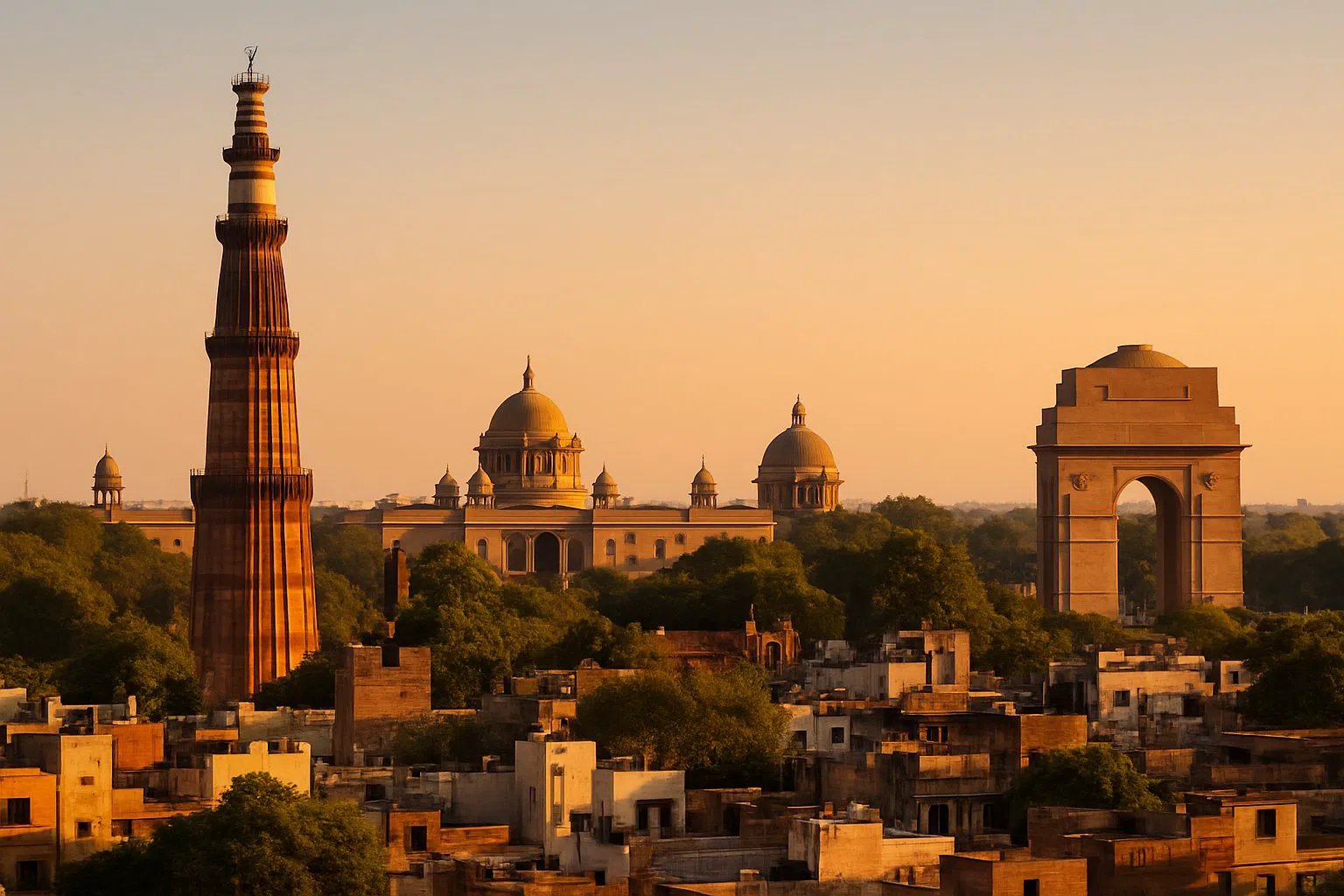
The Delhi issue, November 2026
Delhi
Delhi does not ease you in; it engulfs you.
Plan your Delhi trip
Live prices from our booking partners.
Guests & rooms
Free cancellation on many rooms. We may earn a commission when you book.
The Delhi reading list
All 33 Delhi stories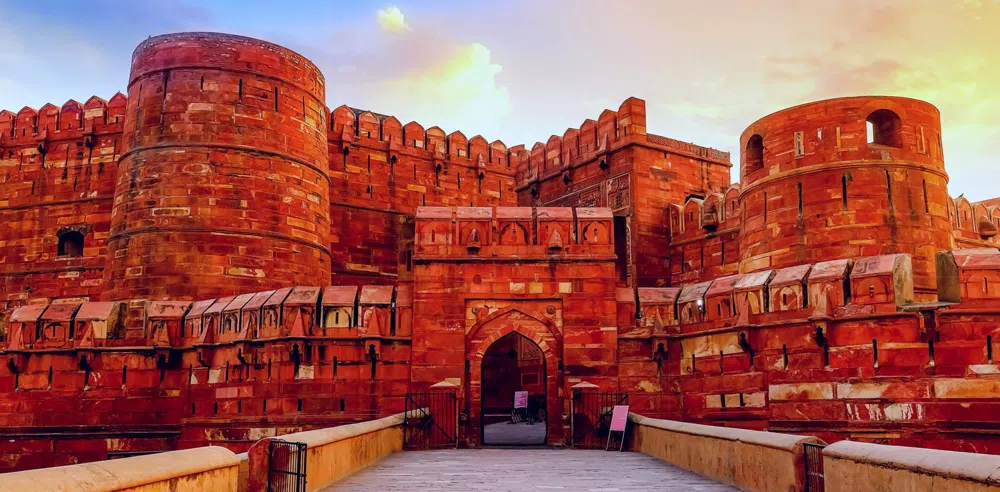
Tours and ticketsThe lead story
Walking the Red Fort's Sandstone Walls in Old Delhi
What you actually see inside Lal Qila, which ticket covers the museums, how to get through the Lahori Gate security queue, and which hour of the day to arrive.
Bram Verhoeven
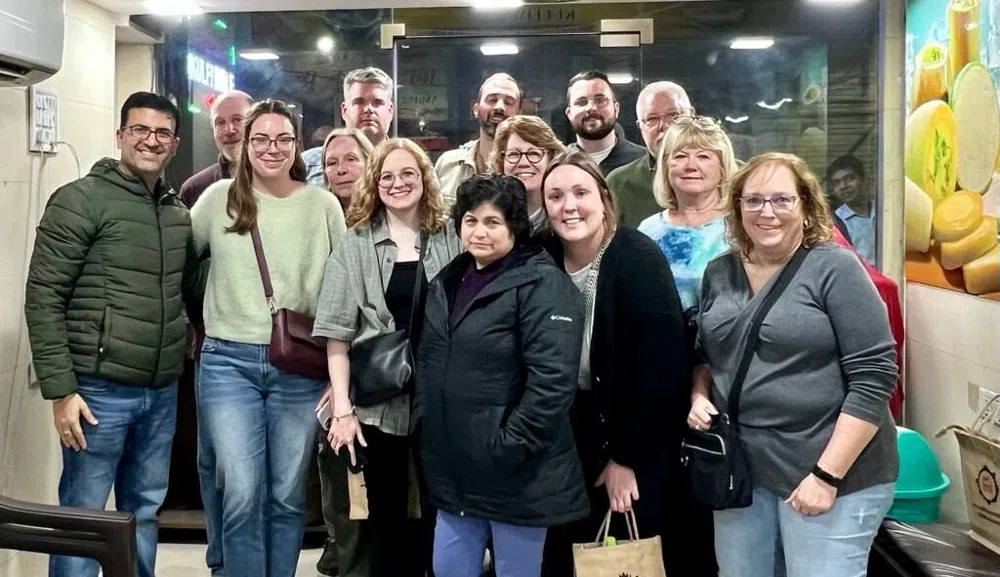
The best private city tours in Delhi: Old and New Delhi in a day
How to see the tangle of Old Delhi and the wide avenues of New Delhi in a single well-planned day — with the private guides, food walks and ethical outfits actually worth booking in 2026.
Bram Verhoeven
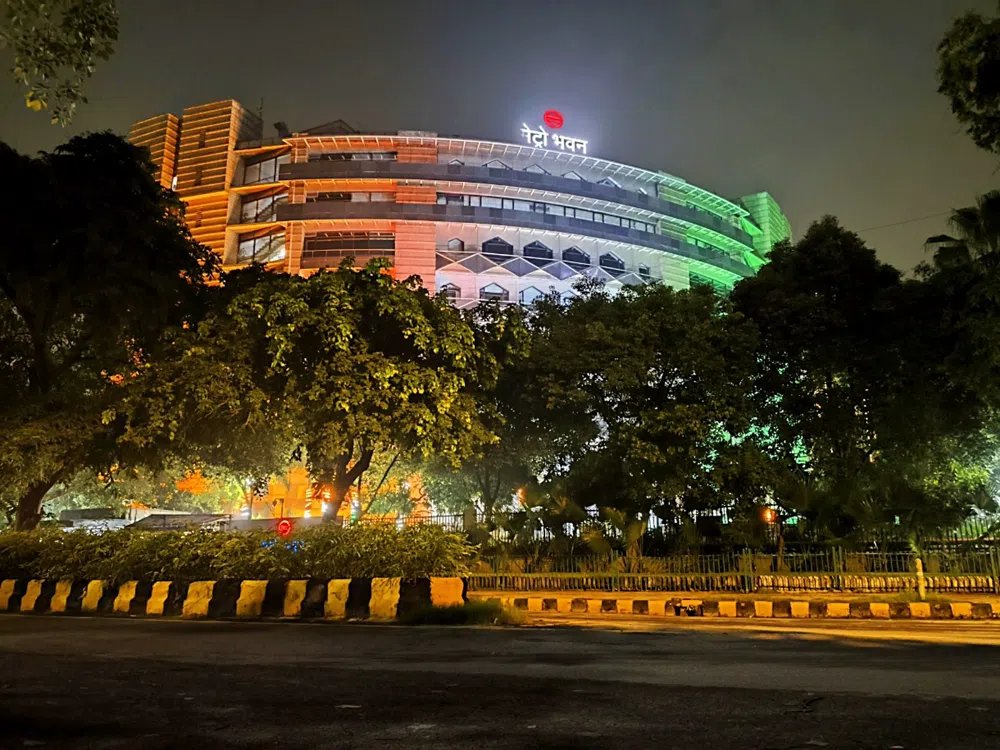
Crossing Delhi Without Getting Lost or Overcharged
The fixed-price ways to move around Delhi: metro, airport rail, prepaid taxis and the apps that set the fare before the driver arrives.
Bram Verhoeven
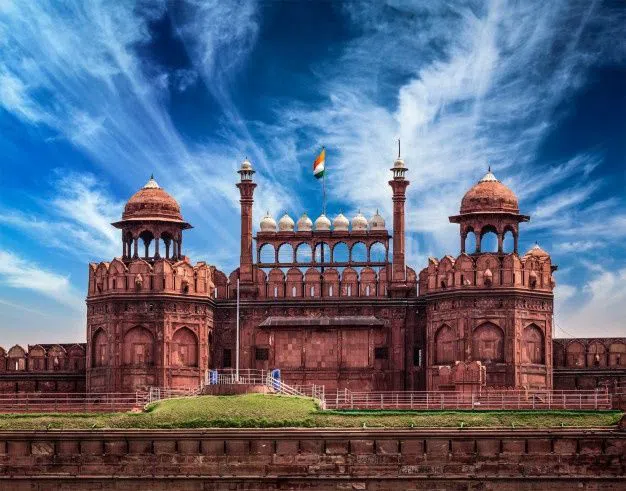
The Delhi Dichotomy: Navigating the City's Two Souls in a Single Day
One honest, hour-by-hour route through Old Delhi's roar and New Delhi's calm — the monuments, the langar, the mutton korma and the metro stops that make both halves work in a day.
Bram Verhoeven
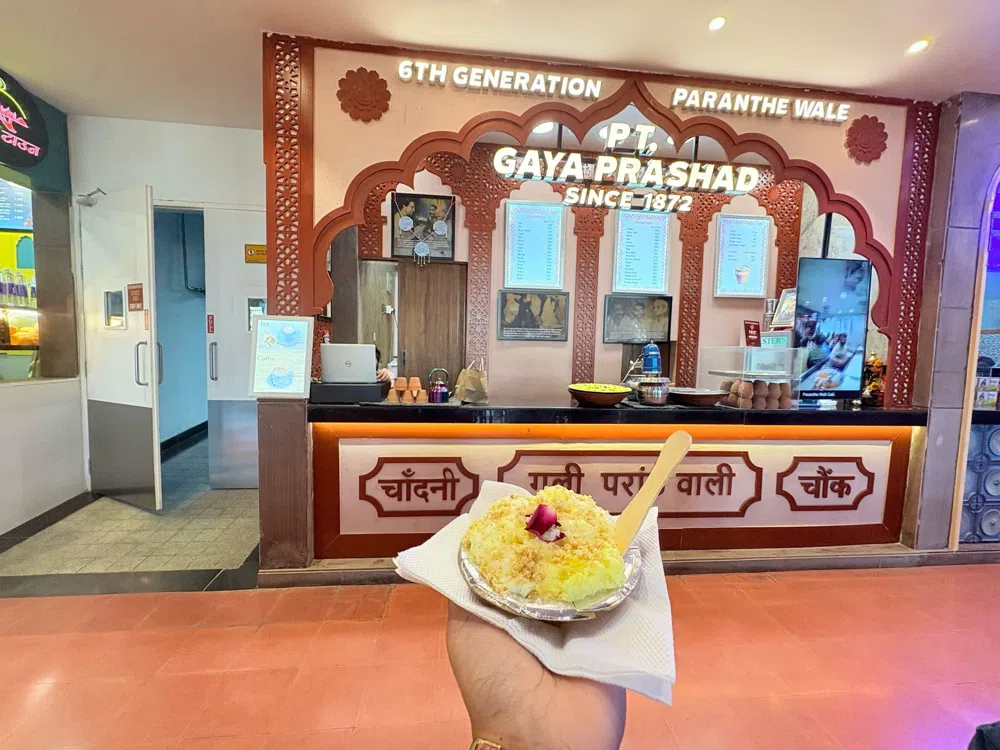
Chandni Chowk on an Empty Stomach: Delhi's Old City Food Walk, One Lane at a Time
A lane-by-lane route through Chandni Chowk's parathas, kebabs, jalebi and century-old sweet shops — what to order, what to skip, and when to show up before the crowds do.
Nandita Rao
More from the Delhi issue

Walking Imperial Delhi a Century After the Empire Left
Bram Verhoeven
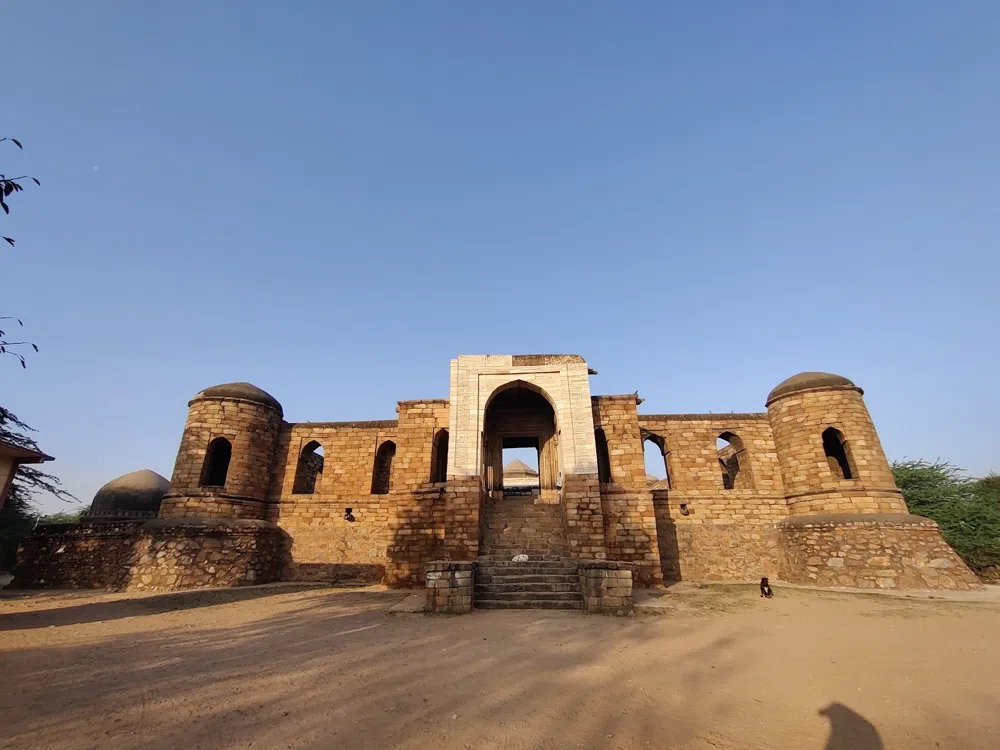
Walking Delhi's Tombs From the Slave Kings to the Last Mughal
Bram Verhoeven
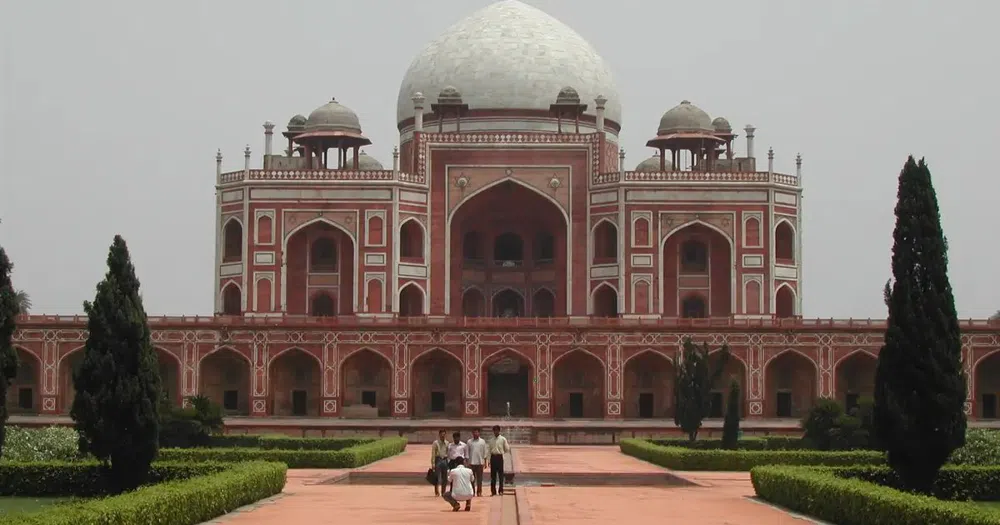
Nizamuddin, Delhi's quarter of tombs and qawwali
Bram Verhoeven
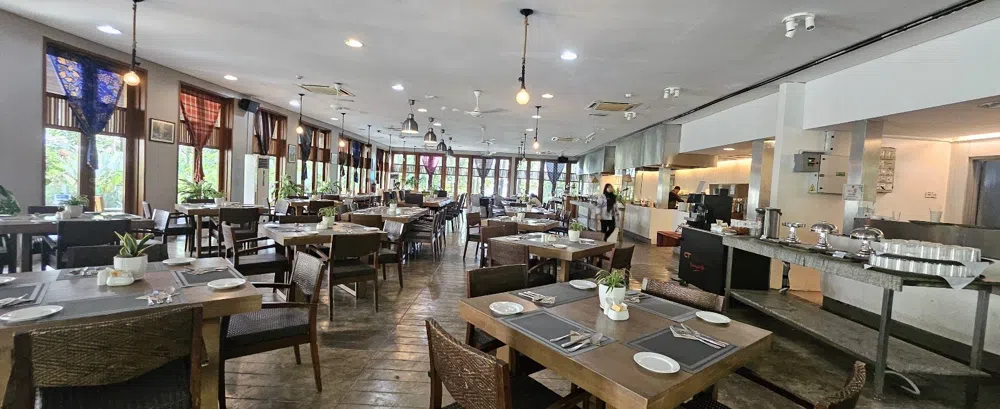
Humayunpur Is Where Delhi Eats the North East
Nandita Rao
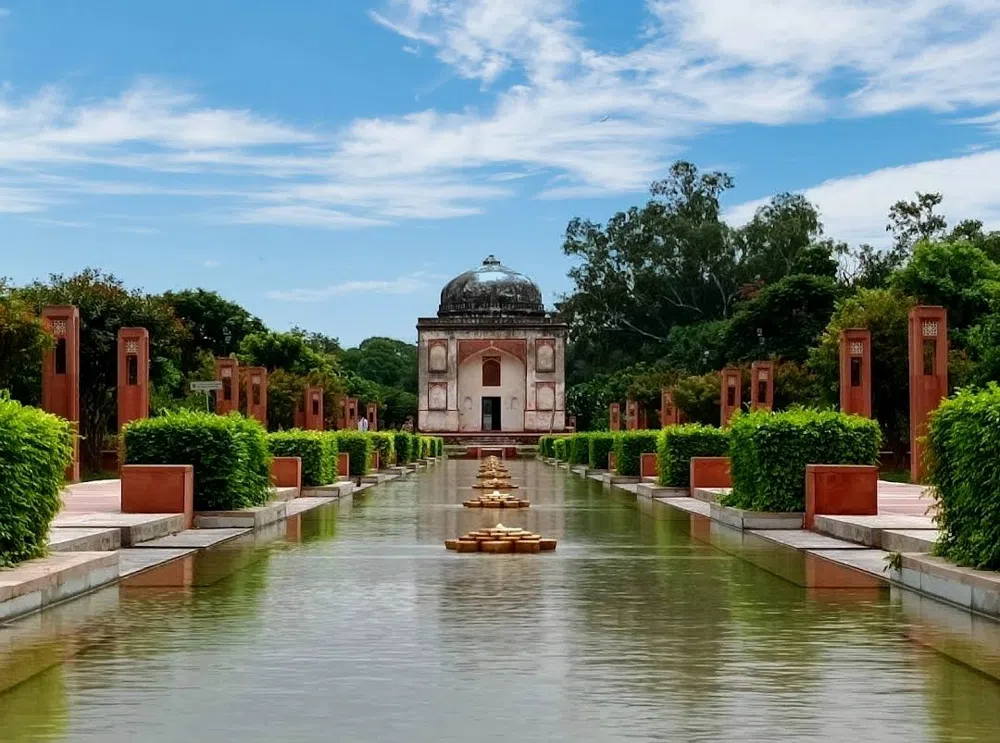
Forty-Eight Hours of Delhi's Monsoon Rituals
Bram Verhoeven
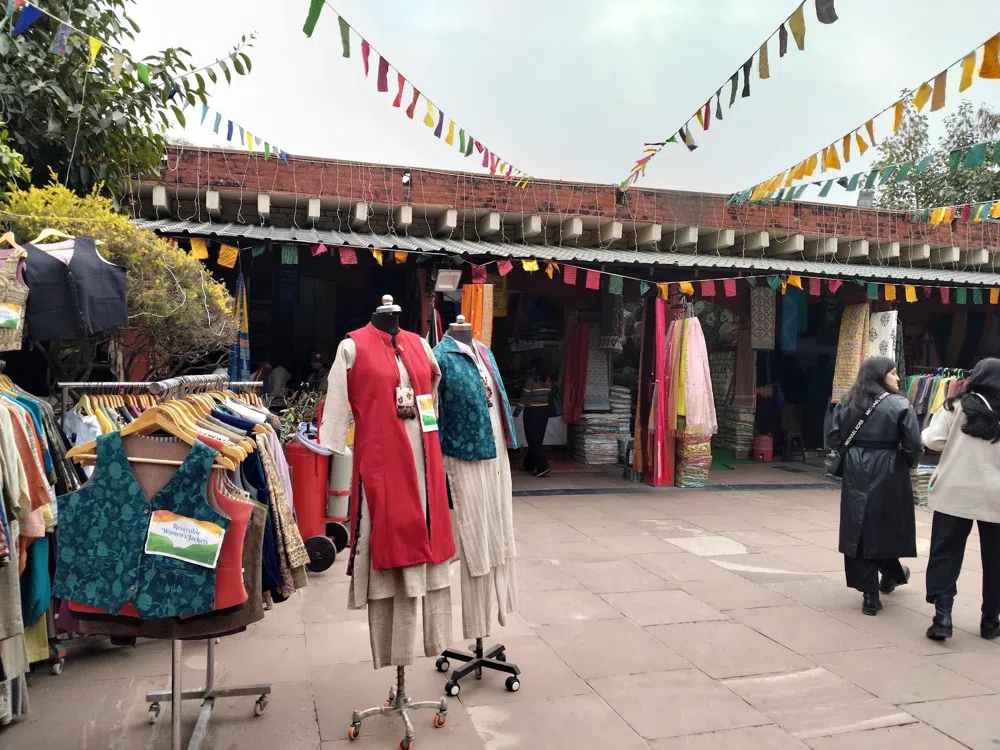
Dilli Haat INA and the South Delhi streets around it
Bram Verhoeven
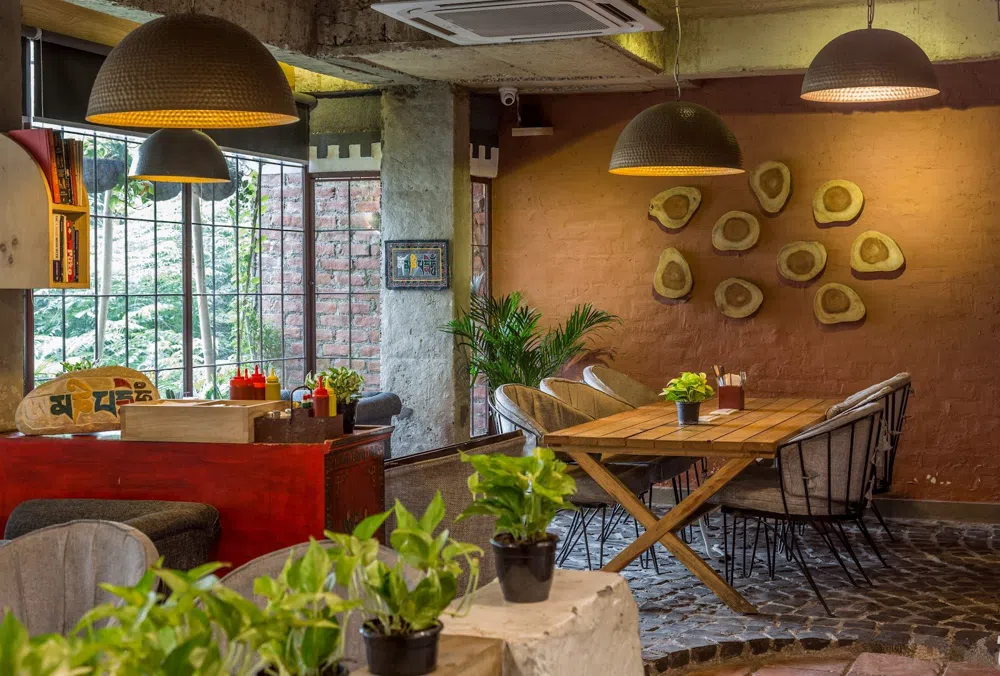
Momos and Monasteries in Delhi's Majnu ka Tilla
Nandita Rao
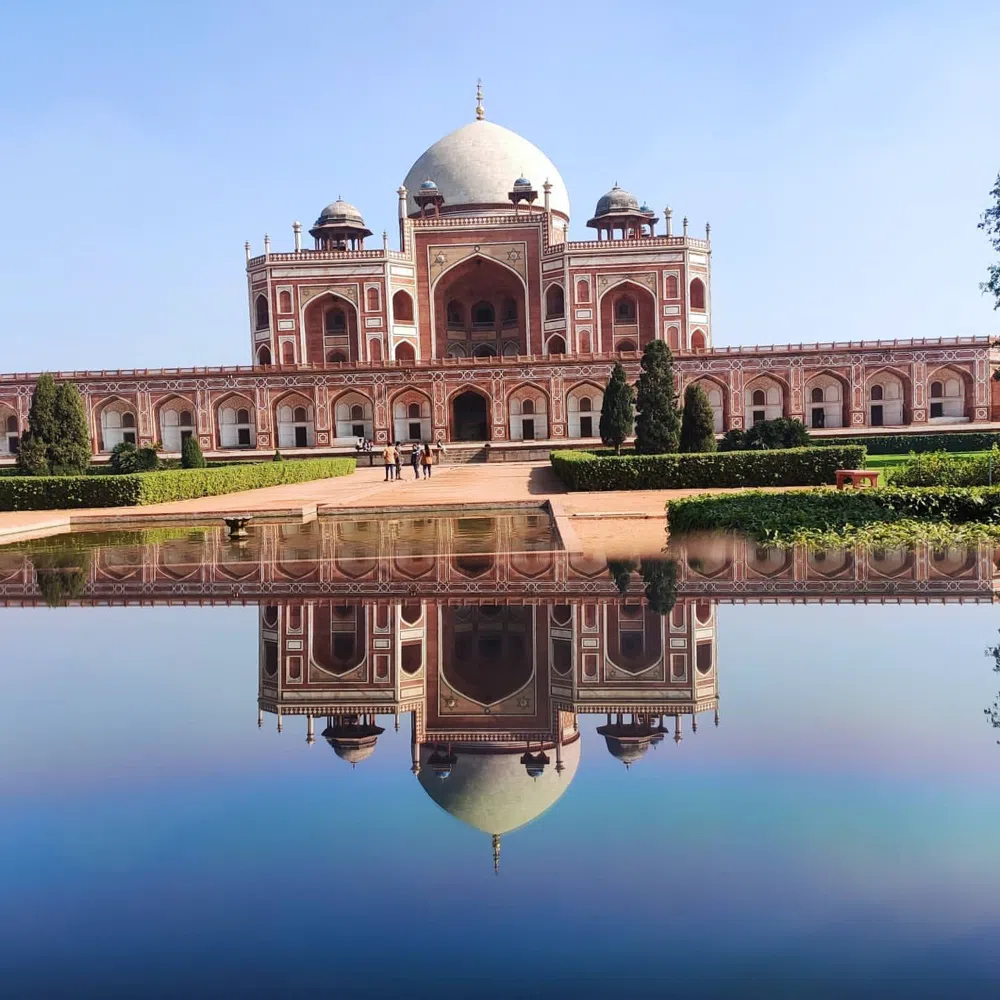
Delhi Before Seven, from Lodhi Garden to Sunder Nursery
Bram Verhoeven
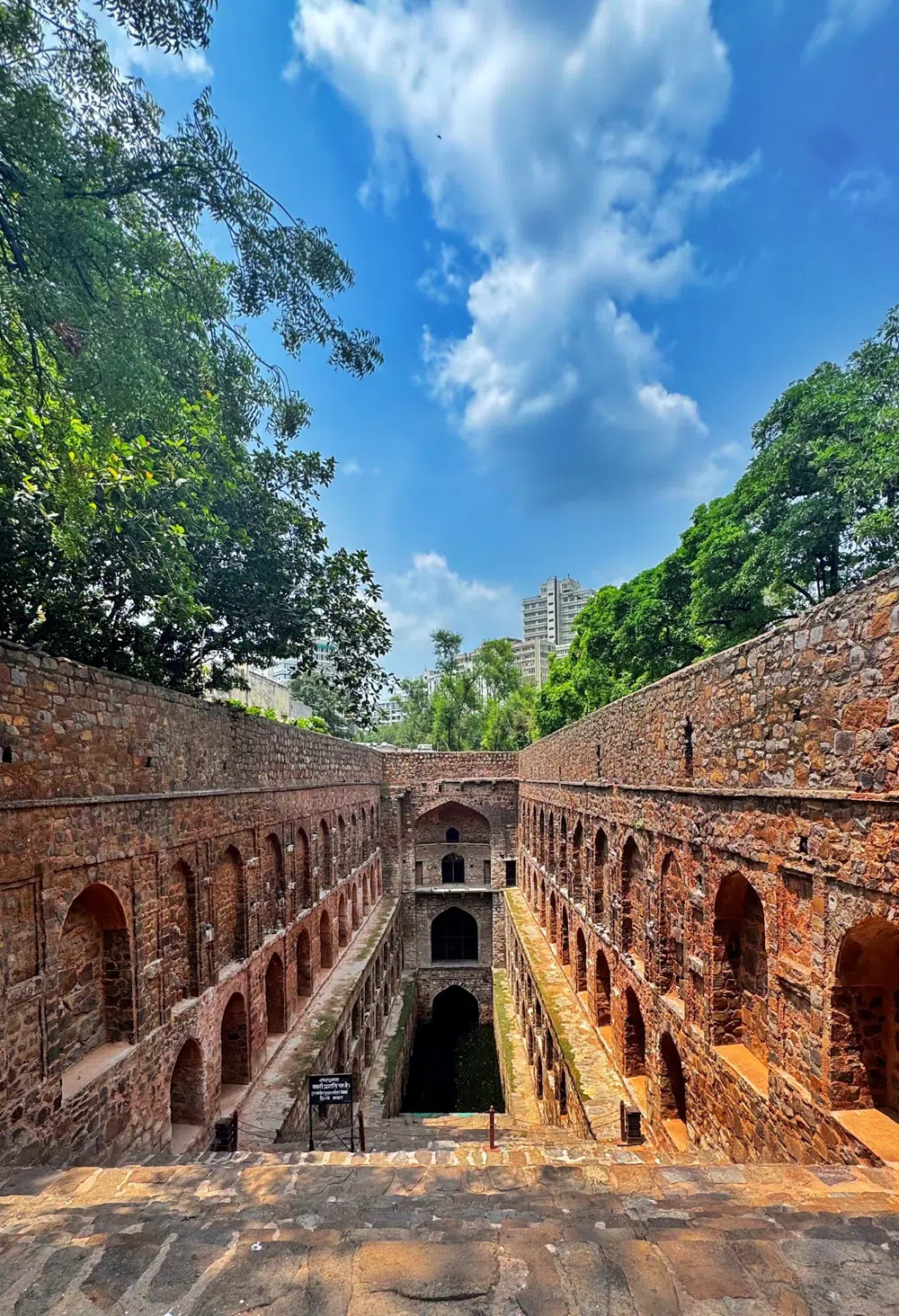
The Stepwells of Delhi: The Ancient Water Palaces Hidden Beneath the Megacity
Bram Verhoeven
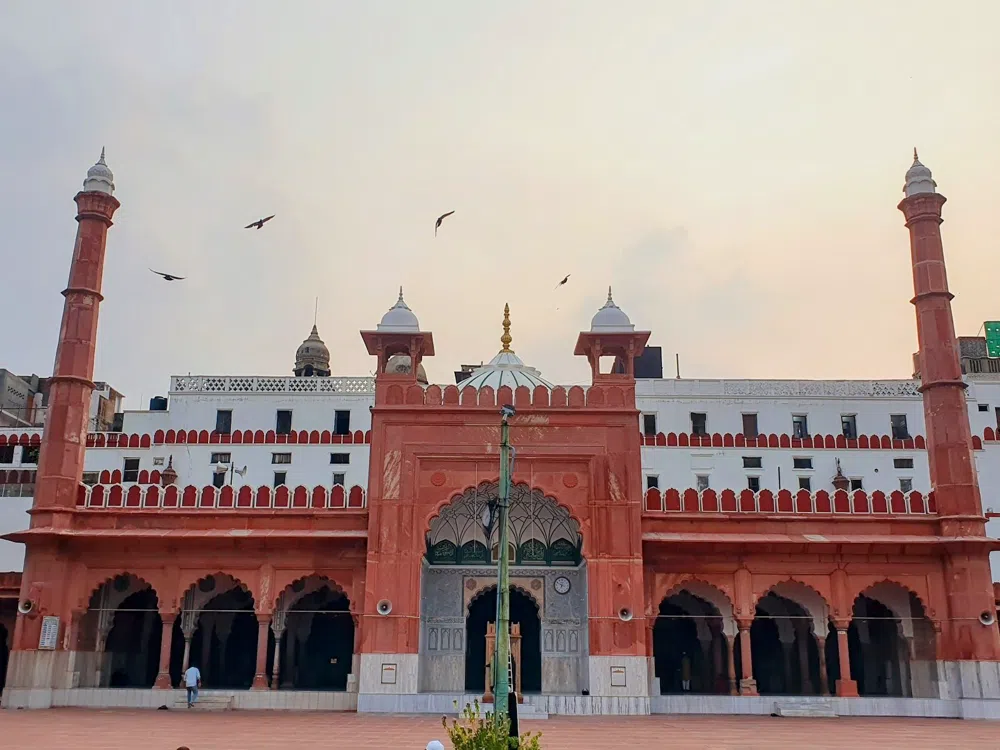
Delhi After Dark Once the Heat Finally Breaks
Bram Verhoeven
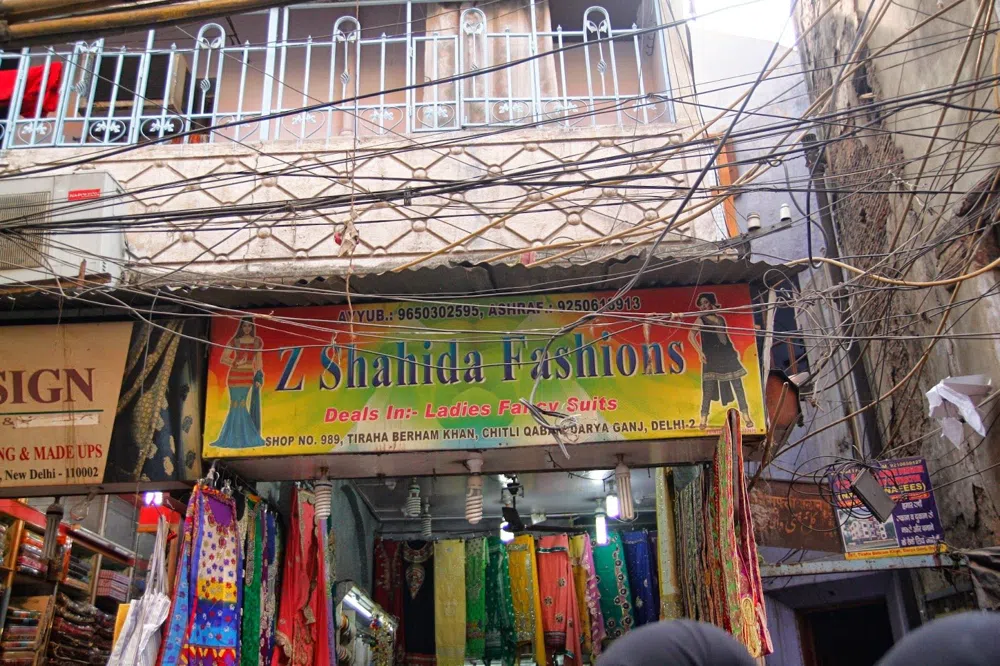
The Language of Spice: How Delhi Speaks Through Its Markets
Nandita Rao
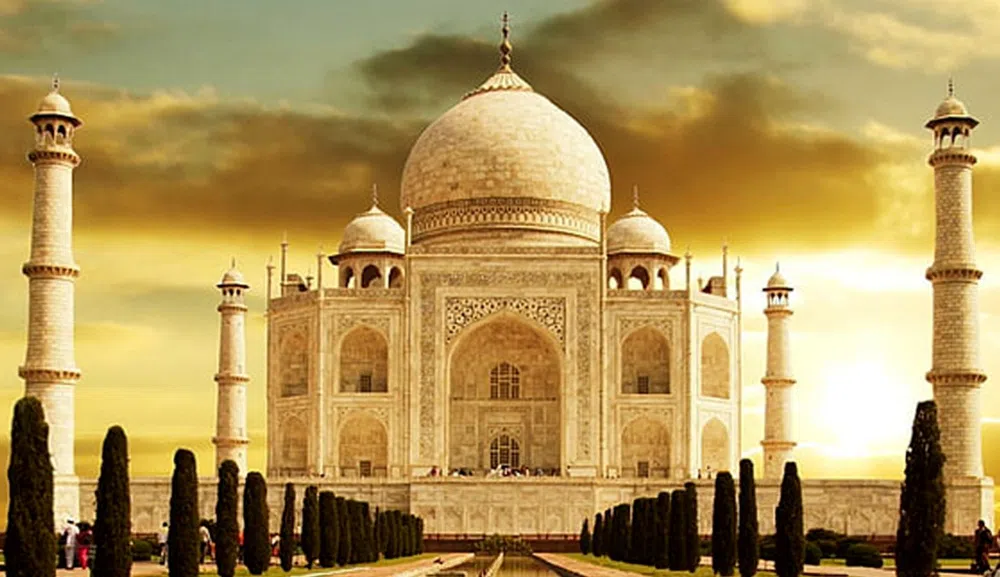
Walking Purana Qila and Sunder Nursery in Delhi
Bram Verhoeven
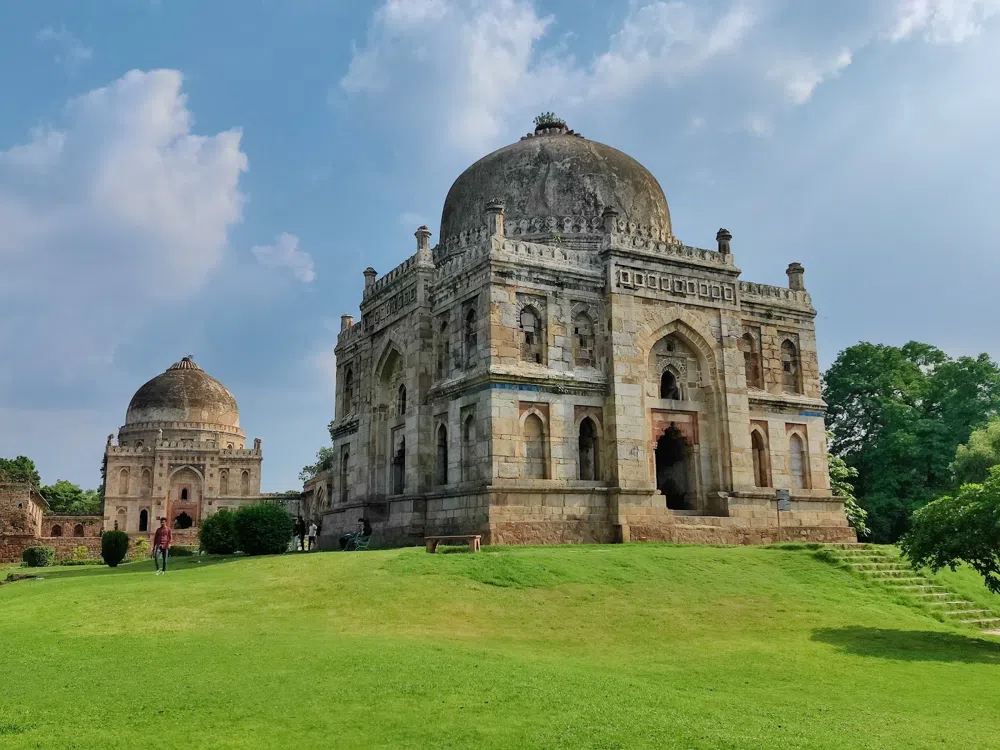
Delhi's Mughal Gardens: Where Paradise Still Grows
Bram Verhoeven
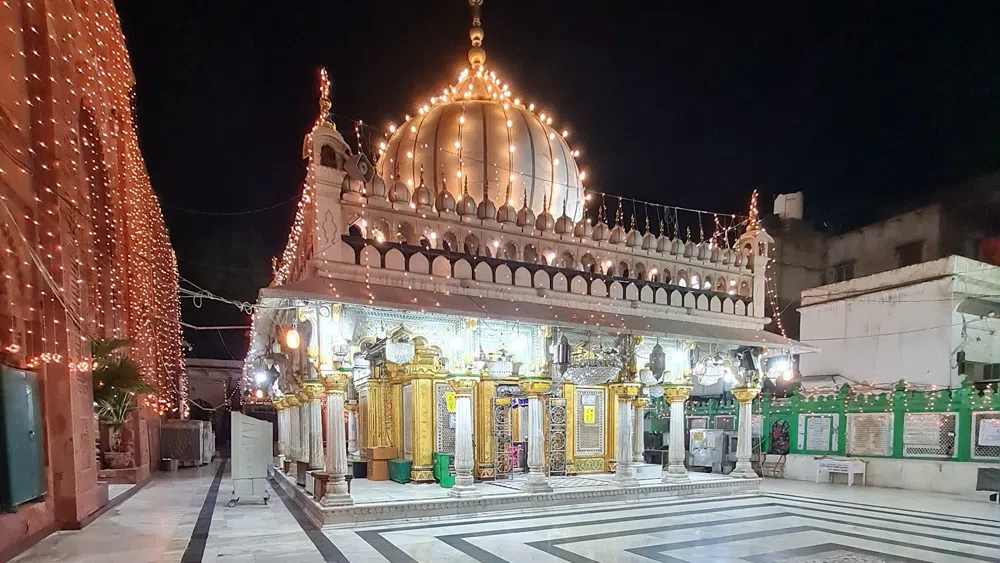
Delhi's Sufi Soul: Thursday Night Qawwali at Nizamuddin Dargah
Bram Verhoeven
Tours and tickets
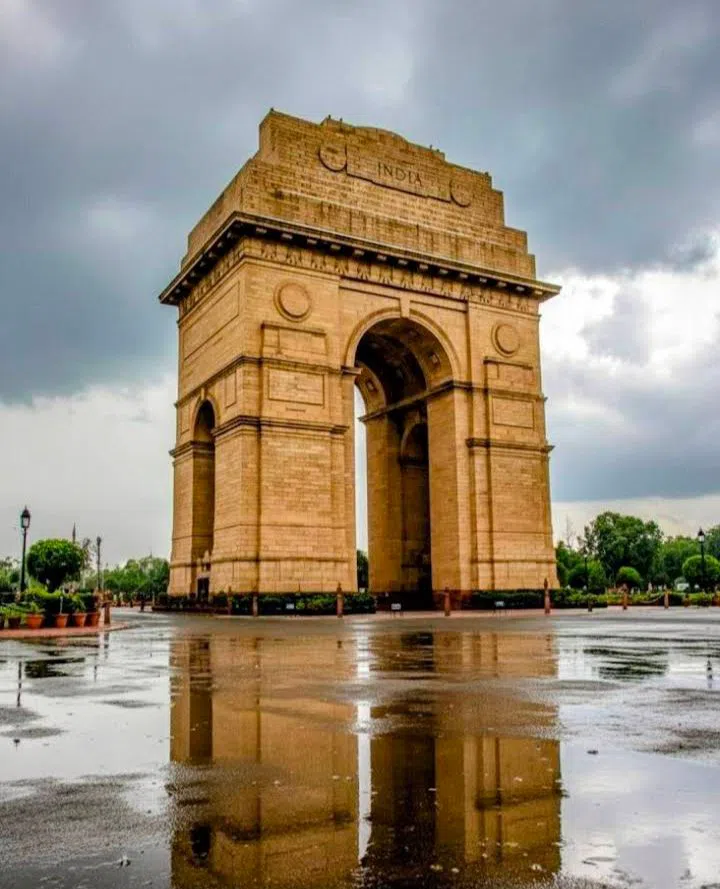
Standing under India Gate and walking Delhi's Central Vista
Bram Verhoeven
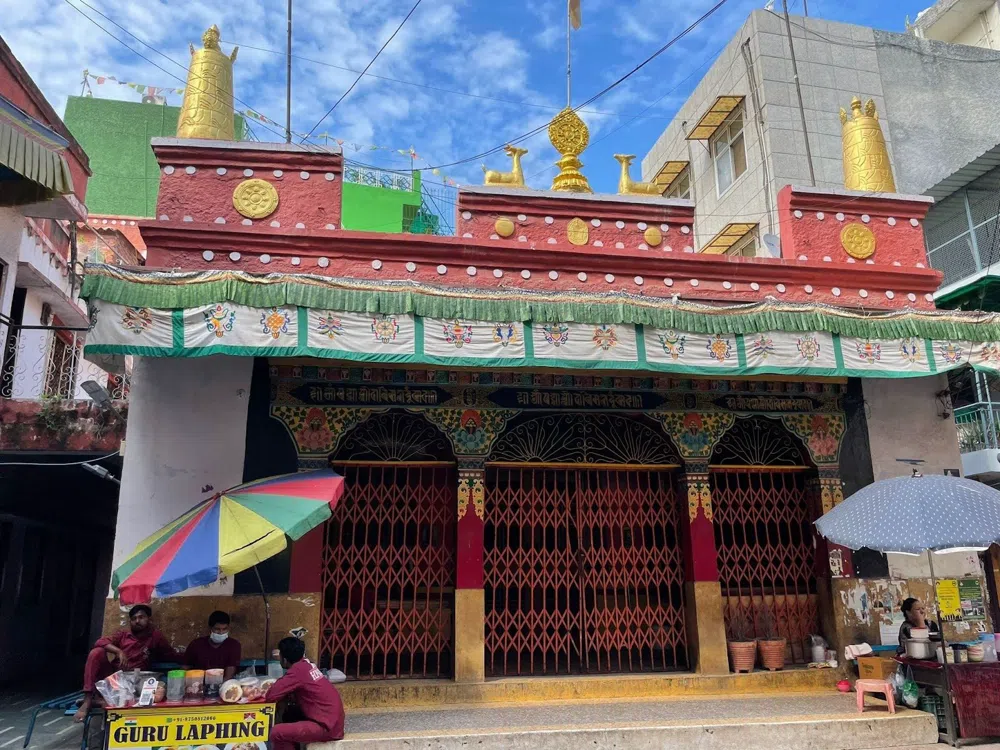
Walking Majnu ka Tila, Delhi's Tibetan colony
Bram Verhoeven
Tours and tickets
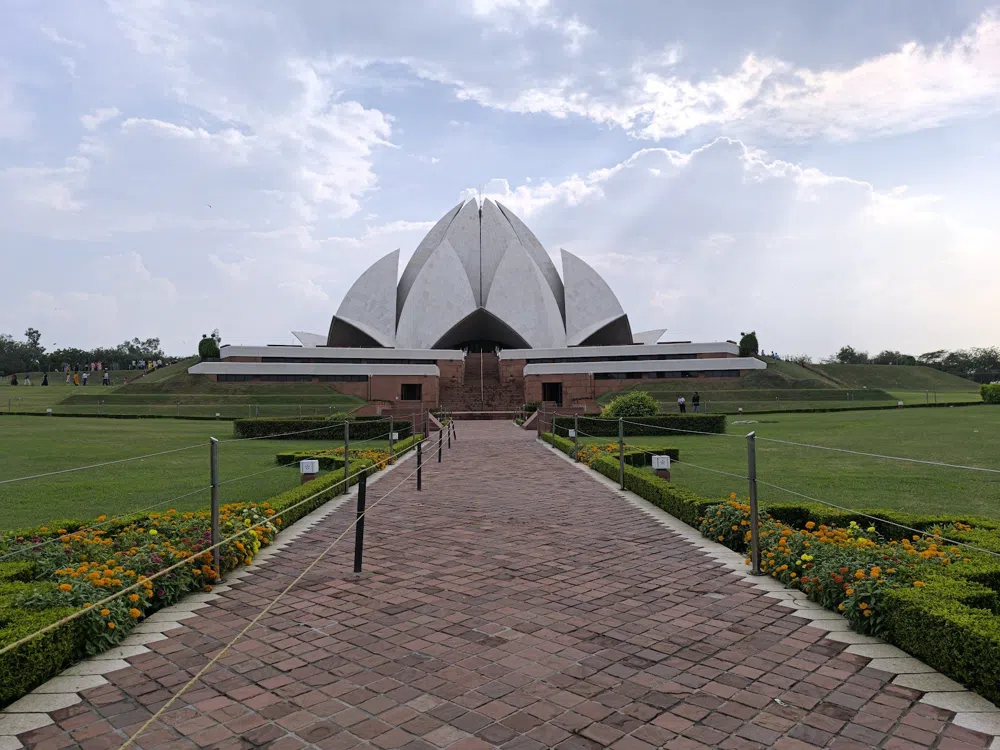
Delhi's Lotus Temple takes no ticket and asks for silence
Bram Verhoeven
Tours and tickets
Standing in the Courtyard of Delhi's Jama Masjid
Bram Verhoeven

Winter in Delhi Belongs to the Wedding Season
Bram Verhoeven
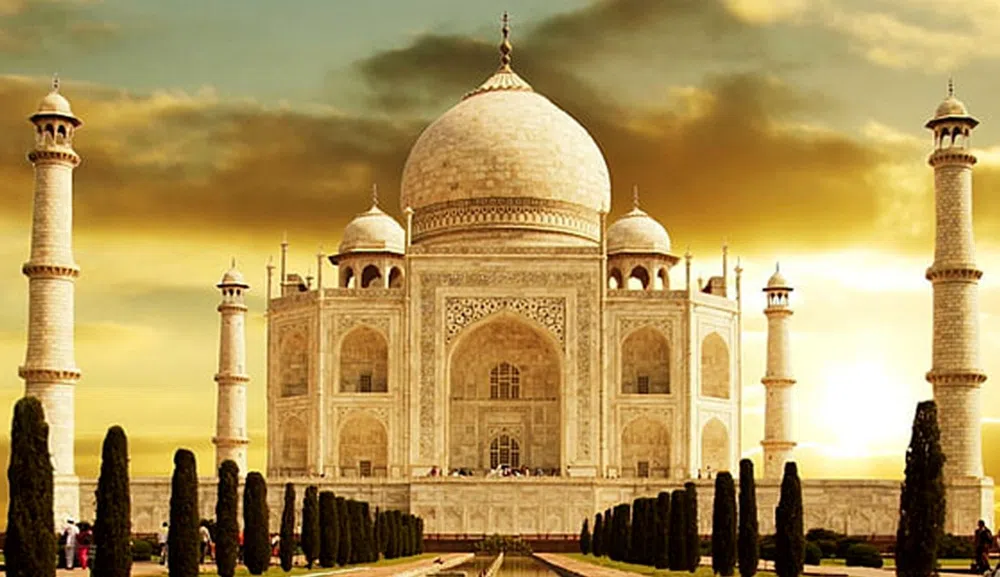
Mehrauli, the Delhi neighbourhood built around the Qutb Minar
Bram Verhoeven
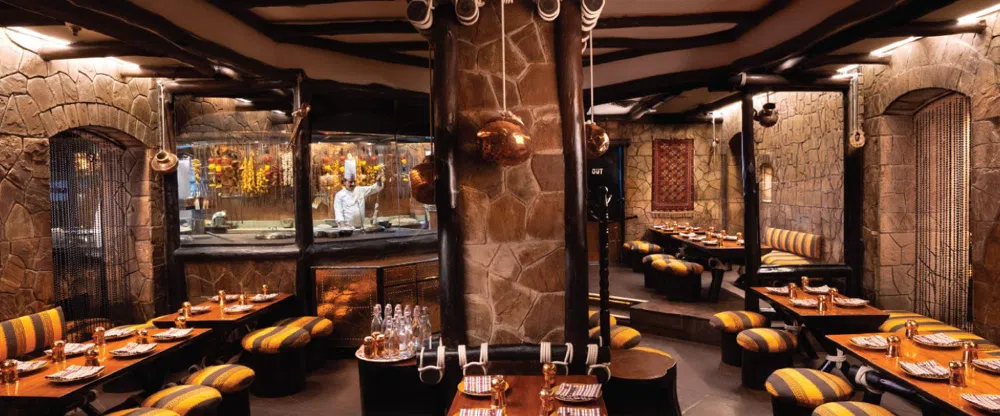
Where Delhi Still Cooks Like the Mughal Court
Nandita Rao
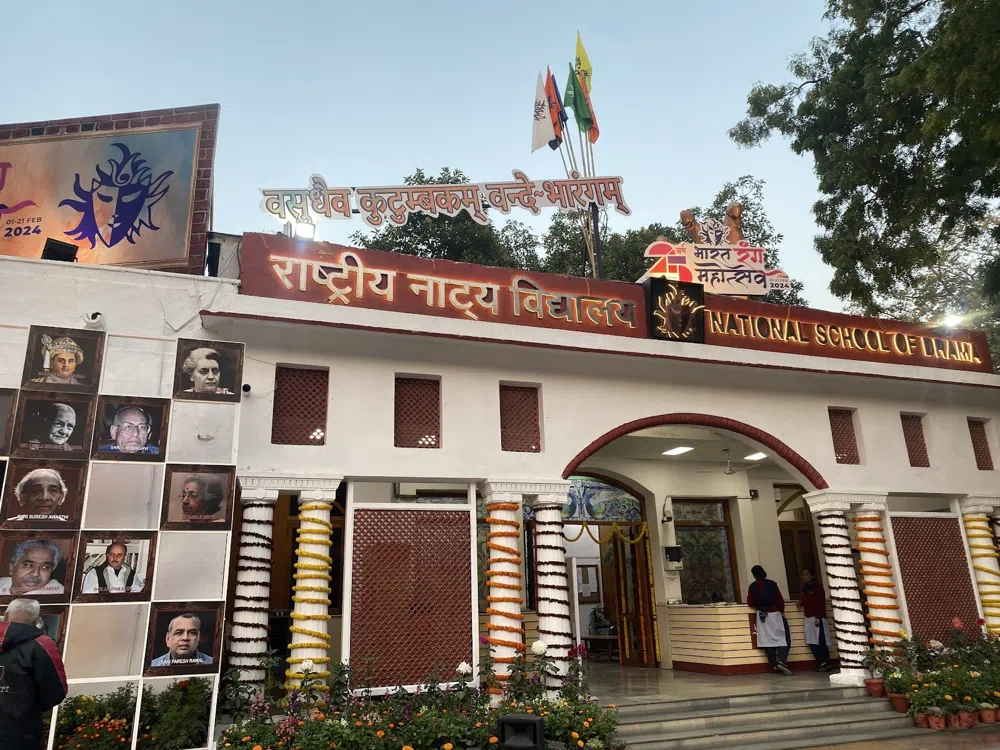
How to spend a day in Delhi's Mandi House theatre quarter
Bram Verhoeven

Walking Kashmere Gate, Delhi's 1857 quarter
Bram Verhoeven
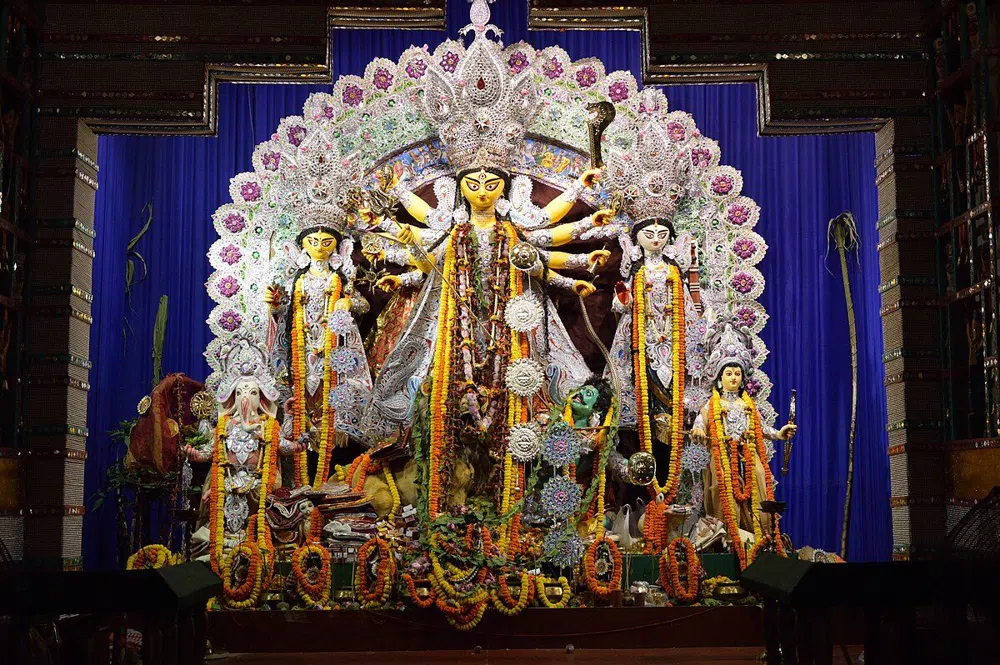
Walking Chittaranjan Park, Delhi's Bengali colony
Bram Verhoeven
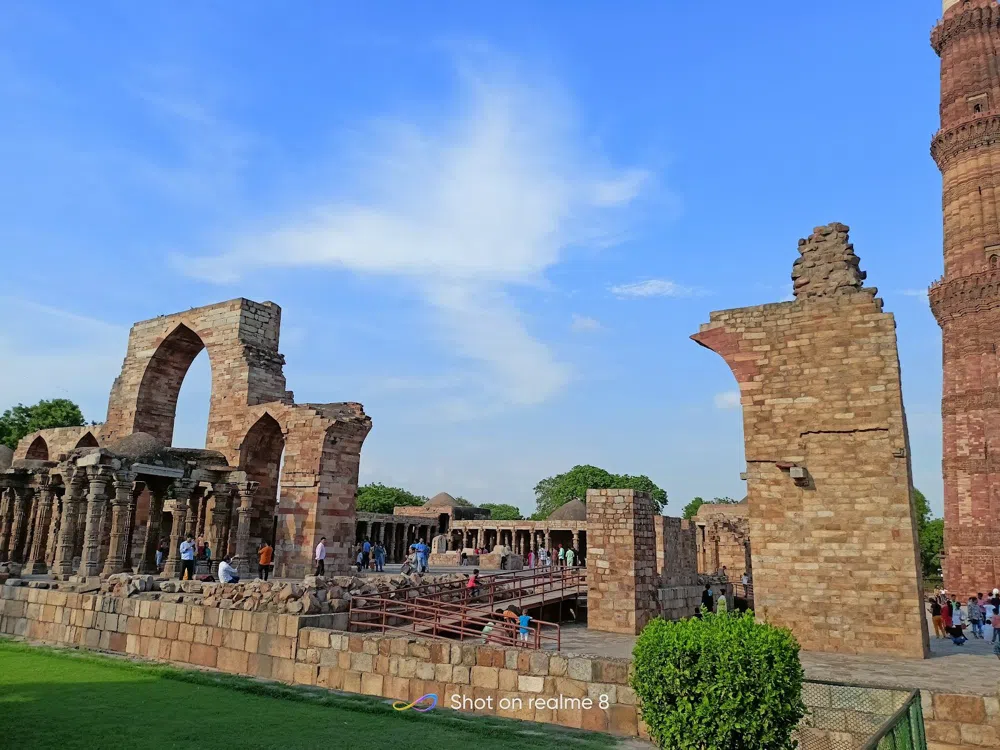
Tours and tickets
Standing Under Delhi's Qutub Minar Before the Crowds
Bram Verhoeven
Riding Delhi's Railway History from Steam to 160 km/h
Bram Verhoeven
How Delhi Marries Itself From November to February
Bram Verhoeven
Tours and tickets
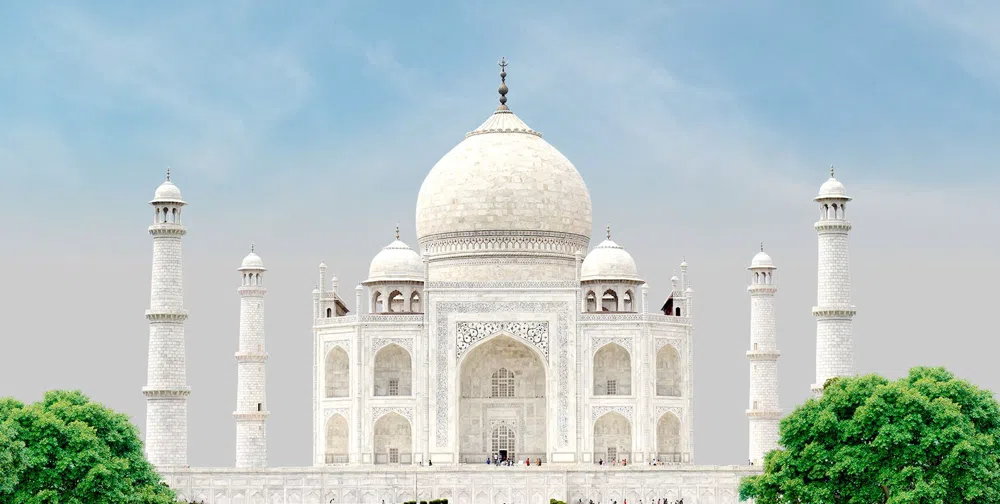
Doing the Taj Mahal from Delhi in a Single September Day
Bram Verhoeven
An insider’s read on Delhi
The modern city is built upon the ruins of at least seven historical capitals. This deep layering of time gives Delhi its complex, sometimes contradictory identity. The northern districts retain the heavy, poetic imprint of Islamic dynasties and the Mughal Empire, characterized by red sandstone ruins and Urdu-inflected street culture.
To the south, the British Raj left its mark in the rigid, neoclassical geometry of Lutyens' Delhi, which now serves as the highly secure, tree-lined seat of national power. The post-independence era added a pragmatic, commercial energy, largely driven by a resilient Punjabi refugee population that transformed the city into a powerhouse of trade, dining, and contemporary art.
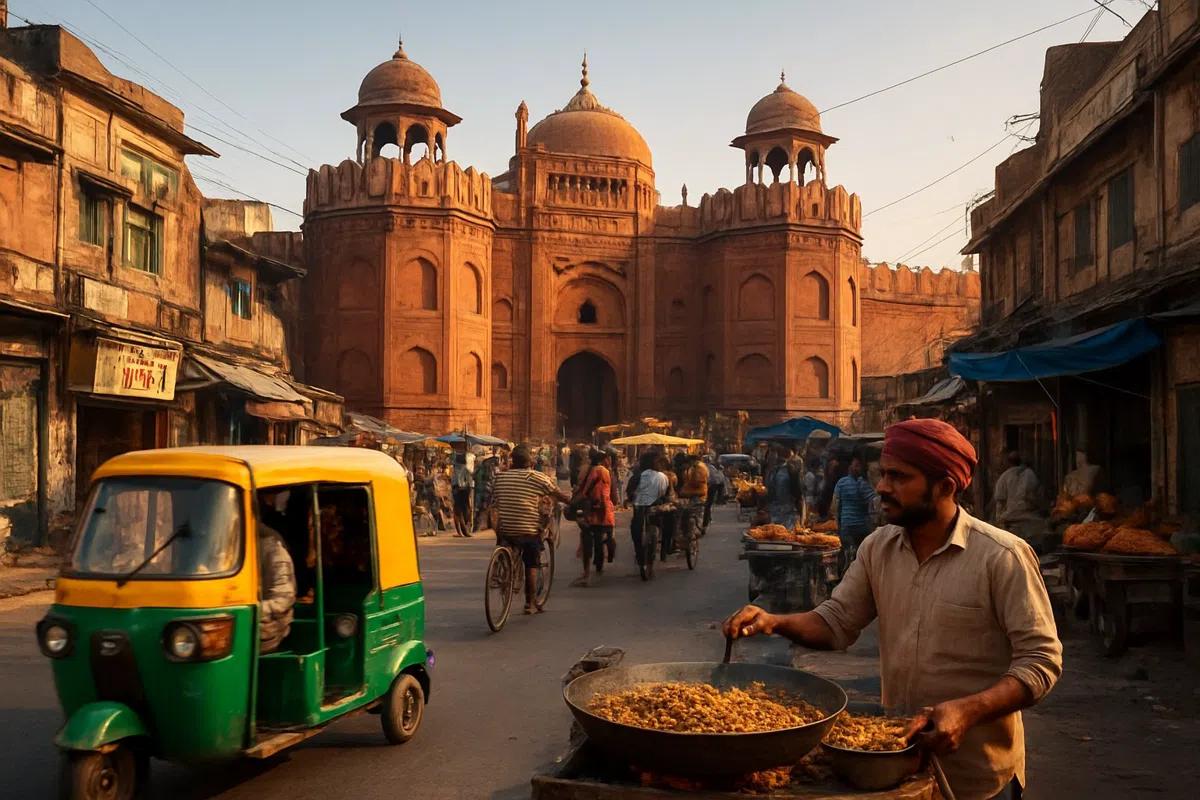

The air is thick with the scent of roasting spices, diesel exhaust
From our Delhi guide
14 neighbourhoods, 14 ways to stay
Pick the neighbourhood first and the trip follows. Each one opens its own guide, with the hotels inside it.
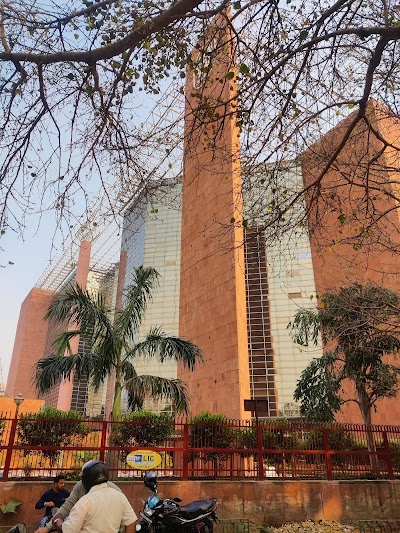
Connaught Place (CP)
First-time visitors who want central transit connections and familiar dining options. The trade-off is the persistent presence of touts, street vendors, and aggressive shoe-shiners.
A colonial-era circular hub defined by white Georgian colonnades, radial roads, and a bustling underground market. It serves as the geographic and commercial heart of the city.
Where to stay Opt for heritage hotels or mid-range business hotels located just off the outer ring to escape the immediate street noise.
Stay in Connaught Place (CP)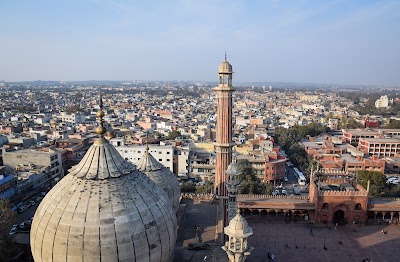
Old Delhi (Shahjahanabad)
History enthusiasts and adventurous food lovers. The trade-off is extreme congestion, noise, and a lack of modern amenities or clean sidewalks.
A dense, chaotic maze of 17th-century alleys, wholesale markets, and historic mosques. It is loud, crowded, and thick with sensory stimulation.
Where to stay Stay in restored heritage havelis to experience the historic character without sacrificing comfort.
Stay in Old Delhi (Shahjahanabad)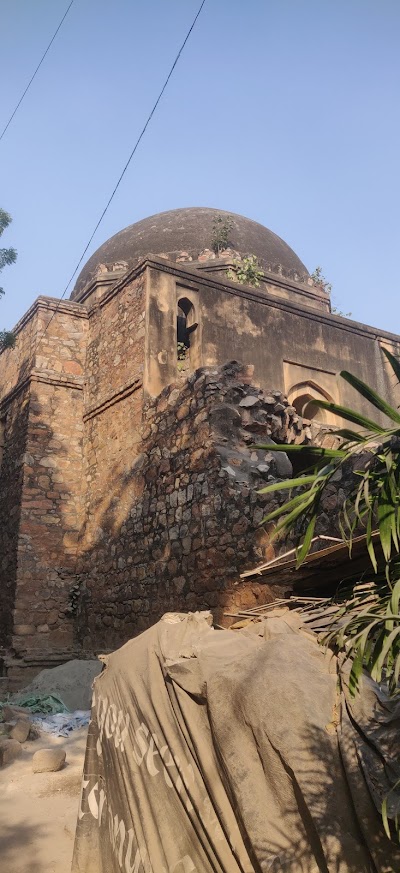
Hauz Khas Village & Shahpur Jat
Younger travelers, shoppers, and those looking for a creative, less institutional vibe. The trade-off is narrow, congested streets and a lack of direct metro access in some parts.
Creative, bohemian enclaves where medieval ruins meet independent fashion boutiques, design studios, and trendy cafes.
Where to stay Boutique guesthouses and artistic apartments overlooking the lake or the ruins.
Stay in Hauz Khas Village & Shahpur Jat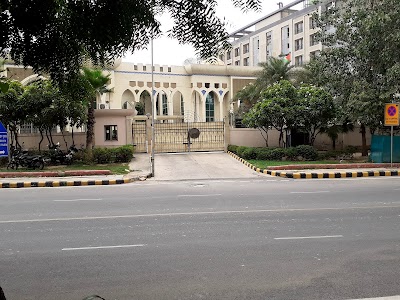
Chanakyapuri & Lutyens' Delhi
Travelers prioritizing safety, quiet, and luxury. The trade-off is that it feels sterile, lacks street life, and requires a taxi or metro ride to reach almost any major attraction.
The elite diplomatic zone, characterized by wide, quiet, tree-lined avenues, grand bungalows, and foreign embassies.
Where to stay Ultra-luxury international hotels and historic five-star properties.
Stay in Chanakyapuri & Lutyens' Delhi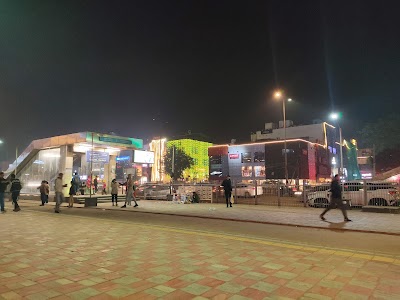
Greater Kailash & South Extension
Mid-range and luxury travelers who want a comfortable, modern local experience with excellent shopping. The trade-off is heavy local traffic and distance from northern historic sites.
Affluent, residential South Delhi neighborhoods centered around bustling retail markets, upscale salons, and trendy dining spots.
Where to stay High-end bed-and-breakfasts and modern boutique hotels.
Stay in Greater Kailash & South Extension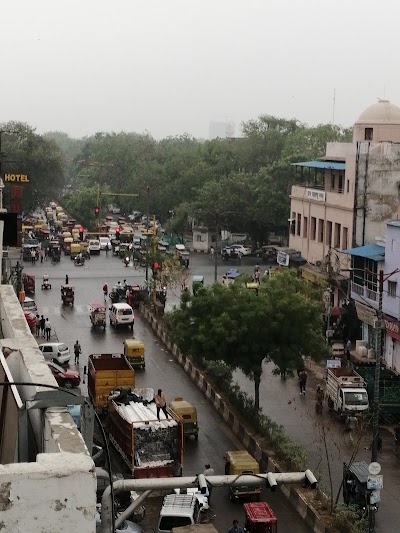
Paharganj
Budget travelers and backpackers looking for cheap accommodation and cheap food. The trade-off is poor sanitation, aggressive touts, and a generally overwhelming environment.
A gritty, chaotic backpacker strip located directly opposite the New Delhi Railway Station, packed with budget cafes, leather shops, and cheap lodging.
Where to stay Basic budget hostels and low-cost guesthouses.
Stay in Paharganj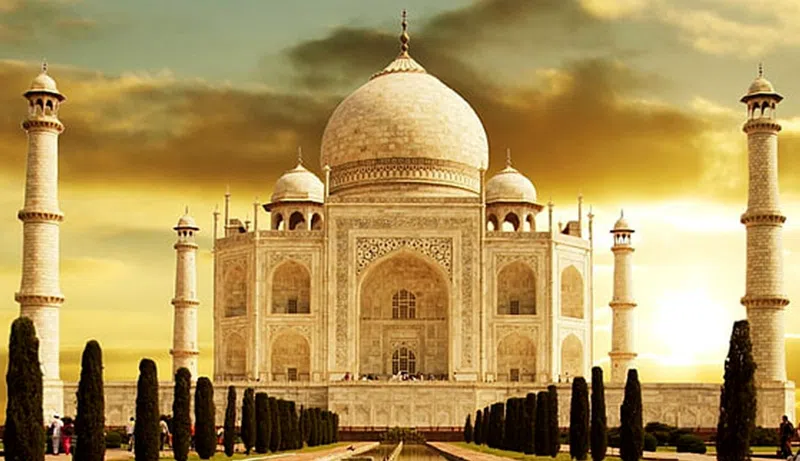
Mehrauli
Delhi’s oldest continuously inhabited neighbourhood is a rewarding half-day of Sultanate ruins, village lanes, contemporary restaurants and heritage atmosphere. Best from October to March; Phool Walon Ki Sair is typically held in September–November.
Stay in Mehrauli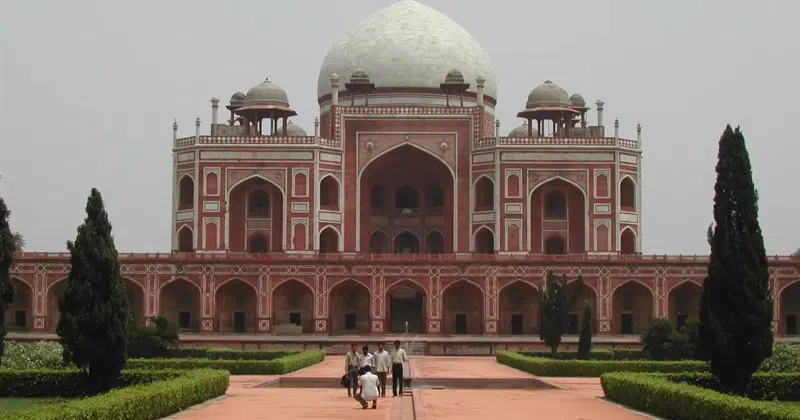
Nizamuddin
A compact Mughal-Sufi quarter where visitors can combine monumental architecture, shrine culture, qawwali and atmospheric lanes with excellent nearby gardens. Qawwali is generally held on Thursday evenings, subject to shrine schedules; visit the monuments early or late in the day.
Stay in Nizamuddin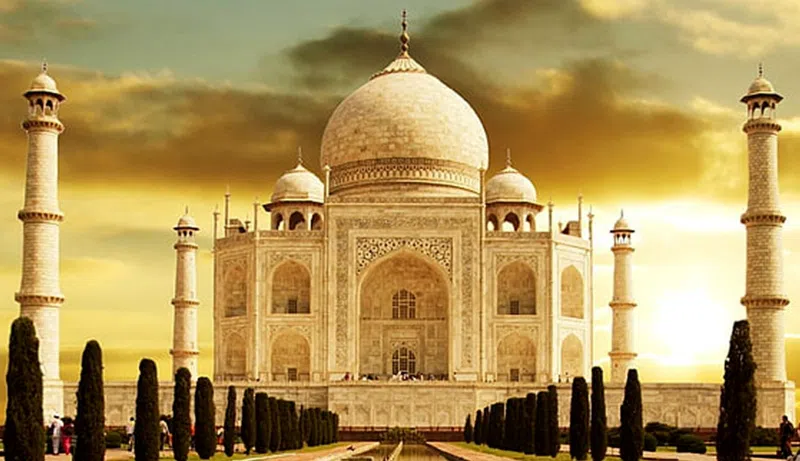
Purana Qila–Sunder Nursery
This green heritage precinct makes a strong half-day outing, pairing a dramatic ancient fort with restored Mughal-era monuments, gardens, crafts and the zoo. Best in the cooler months; arrive early for the fort and gardens, and check schedules for evening cultural programmes.
Stay in Purana Qila–Sunder Nursery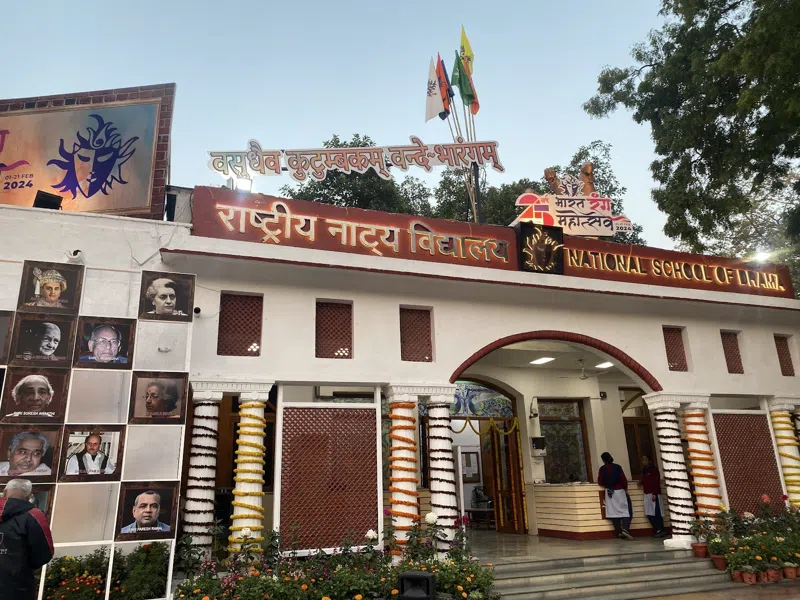
Mandi House
Delhi’s performing-arts quarter is an easy evening plan for theatre, galleries, poetry, modernist architecture and Bengali Market snacks. Most venues run year-round; the area is especially lively during Bharat Rang Mahotsav and other theatre festivals.
Stay in Mandi House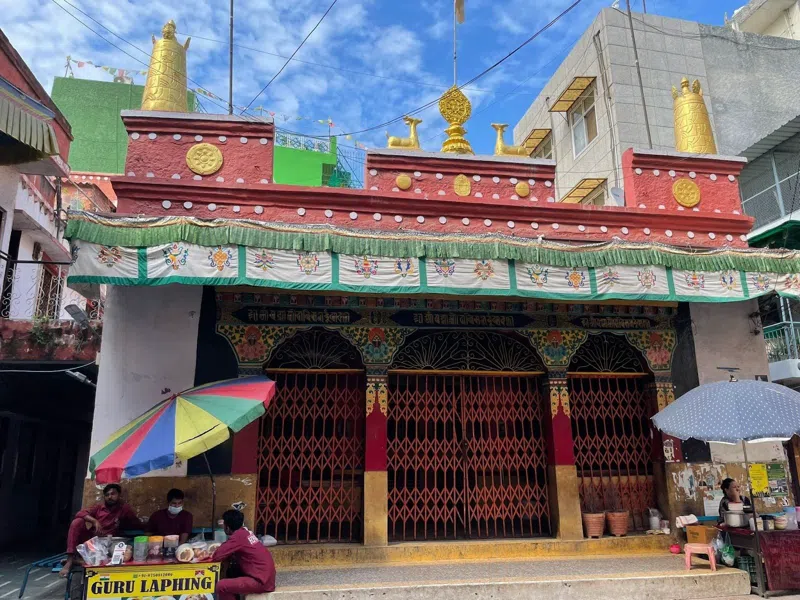
Majnu ka Tila
This compact Tibetan settlement offers a distinctive change of scene, with monastery visits, Himalayan food, cafés, bakeries and tightly packed lanes to explore. Pleasant from October to March; afternoons are busiest and evenings suit the café and restaurant scene.
Stay in Majnu ka Tila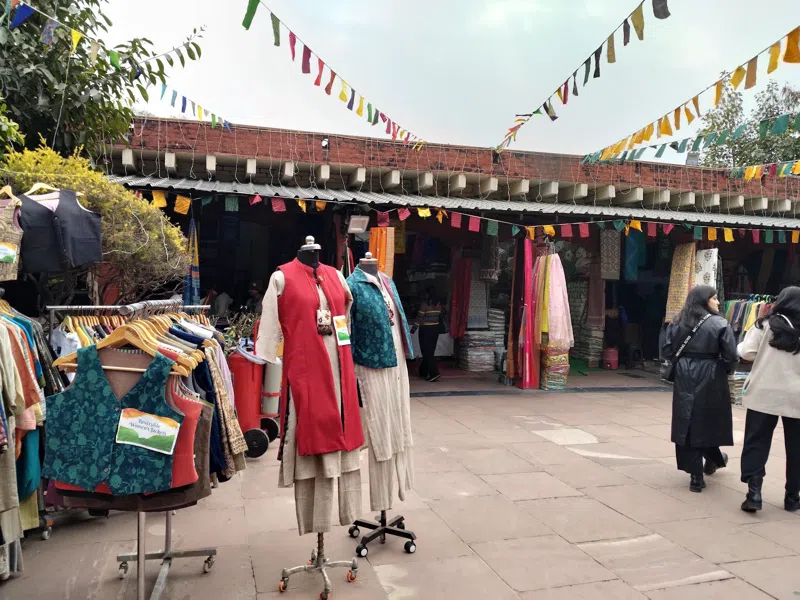
Dilli Haat–INA
A purpose-built but genuinely useful visitor stop for regional handicrafts, textiles, souvenirs and food from across India in one lively market. Open daily year-round; winter and early evenings are most comfortable, while regional food festivals add occasional interest.
Stay in Dilli Haat–INA
Kashmere Gate
Delhi’s northern historic gateway is a walkable cluster of colonial and Mughal-era landmarks, old churches, cemeteries and remnants of the 1857 uprising. Best from October to March; go in daylight, when the churches, cemeteries and scattered monuments are easiest to explore.
Stay in Kashmere Gate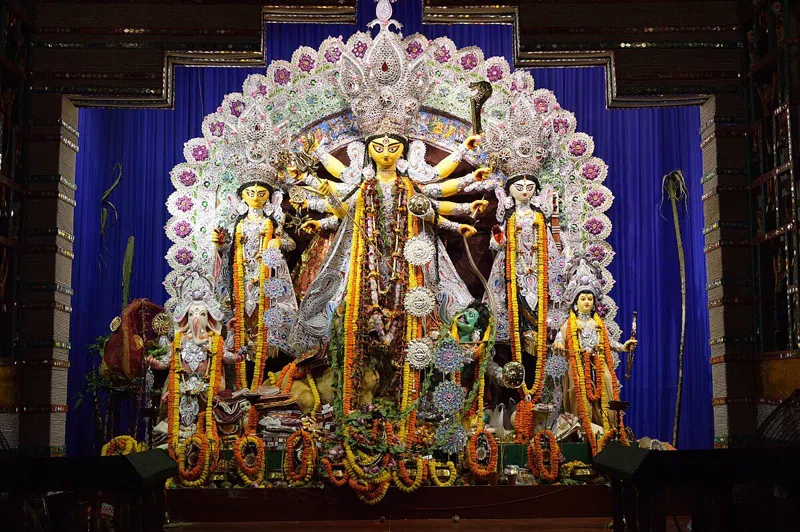
Chittaranjan Park
Delhi’s Bengali cultural quarter is worth an evening for its lively fish and produce markets, temple courtyards, street food and especially festive Durga Puja atmosphere. The biggest draw is Durga Puja in September or October; otherwise visit in the evening for market snacks and sweets.
Stay in Chittaranjan ParkBook before you land
Top-rated tours and tickets in Delhi, with live prices from Viator.

Taj Mahal & Agra Private Day tour by car from Delhi with 5* Lunch
from $5

The Chef @ 11:30 am (4 Main Dishes + 3 Breads)
from $65

6-Day Private Tour of the Golden Triangle
from $680

Golden Triangle Tour: Private Delhi Agra Jaipur 5 Nights 6 Days
from $40

3 Day Private Golden Triangle Tour Delhi Agra Jaipur
from $109

Agra Overnight Tour
from $59

Private Taj Mahal and Agra Fort Day Tour from New Delhi
from $94

Old Delhi Street Food and Spice Market Tour
from $39
Prices from Viator; we may earn a commission when you book — at no extra cost to you. Tours are sold and operated by Viator, the merchant of record. Ratings are collected by Viator and Tripadvisor.
Book direct
Book a hotel in Delhi
Loading live availability and real-time prices…
The Delhi guide
Where to eat, drink and look, how to get around, and what locals expect of you. Open any chapter.
Where to eat
Dining
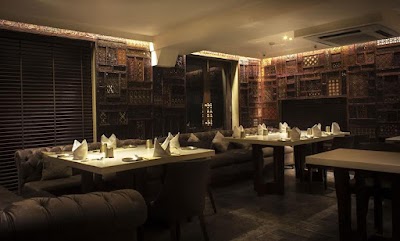
Sana-di-ge
It serves exceptionally fresh, authentic coastal Karnataka and Goan seafood in an elegant, fine-dining setting.
Signature: Mangalorean prawn ghee roast
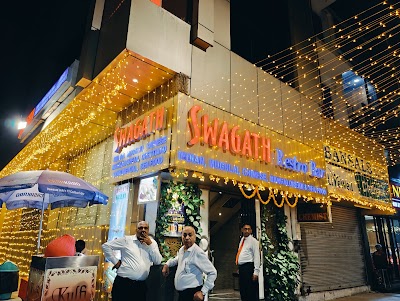
Swagath
A local institution famous for its no-nonsense approach to coastal Indian spices and perfectly cooked shellfish.
Signature: Butter pepper garlic crab

The Coastal Reef
A cozy spot dedicated to the fiery, aromatic seafood dishes of Kerala and Andhra Pradesh.
Signature: Kerala-style fish pollichathu wrapped in banana leaf
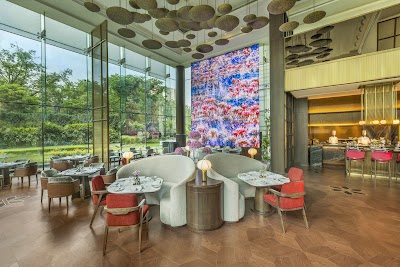
The Qube
Housed in a striking glass pavilion, it offers some of the finest imported cuts of meat cooked on an open grill.
Signature: Australian lamb chops

The Grill Room
Perched high above the city, it combines panoramic views with meticulously seared steaks and poultry.
Signature: Sous-vide tenderloin steak

PCO
This speakeasy serves surprisingly sophisticated, smoky grilled small plates alongside its award-winning cocktails.
Signature: Smoked pork belly skewers
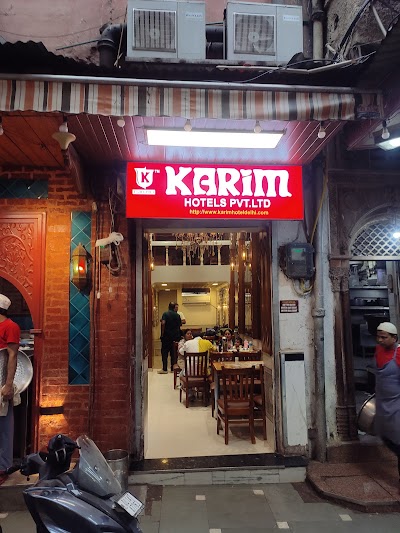
Karim's
A legendary, no-frills eatery operating near the Jama Masjid since 1913, serving historic royal Mughal recipes.
Signature: Mutton korma and tandoori roti
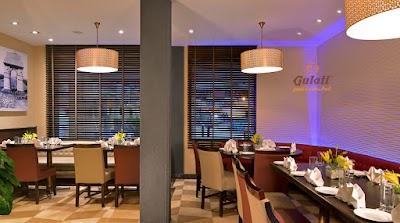
Gulati
A late-night favorite for families and food lovers seeking rich, buttery North Indian gravies.
Signature: Butter chicken and kakori kebabs
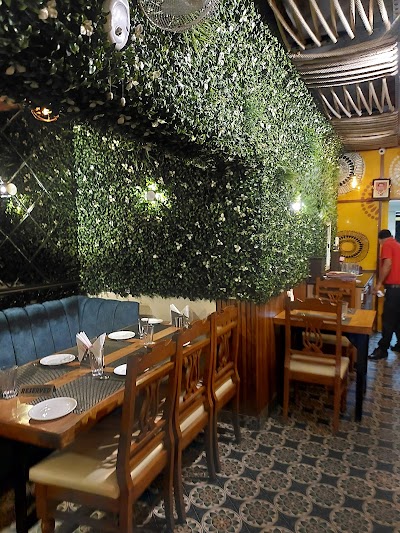
Rajinder Da Dhaba
A massive, chaotic open-air street-side joint where locals eat standing up next to their cars.
Signature: Galouti kebab with ulta tawa parantha
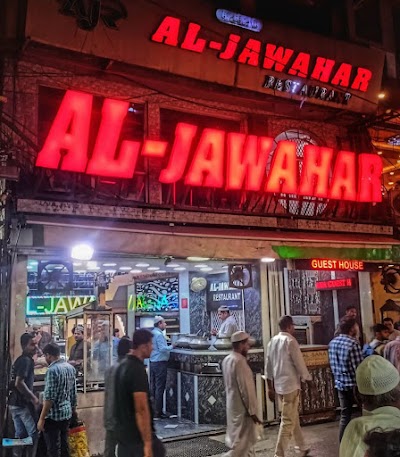
Al Jawahar
Located right next to Karim's, this rival establishment is preferred by many locals for its richer gravies.
Signature: Mutton stew
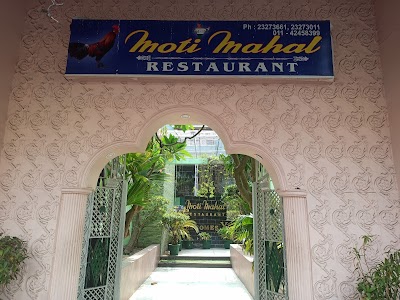
Moti Mahal
The historic birthplace of butter chicken, where the tandoori culinary tradition was popularized in Delhi.
Signature: Original tandoori chicken
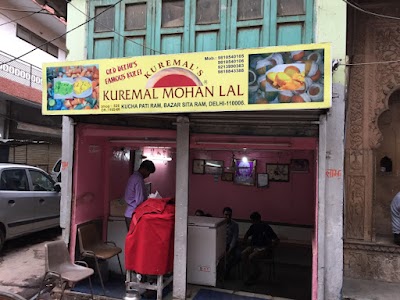
Kuremal Mohan Lal Kulfi Wale
A tiny shop in the old city famous for stuffing whole fruits with creamy, traditional Indian ice cream.
Signature: Stuffed mango kulfi
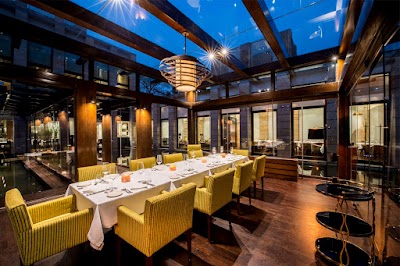
Indian Accent
Consistently ranked among the best restaurants in Asia, chef Manish Mehrotra redefines Indian food with playful, global twists.
Signature: Blue cheese naan and pork belly tikka
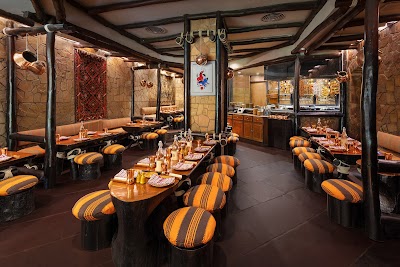
Bukhara
An iconic, rustic restaurant at the ITC Maurya where world leaders eat clay-oven-baked dishes with their hands.
Signature: Dal Bukhara (slow-cooked black lentils for 18 hours)
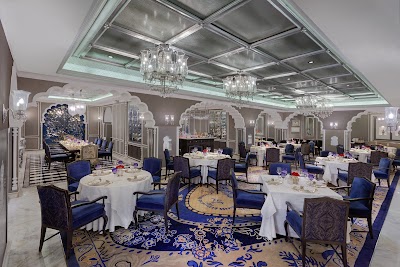
Dum Pukht
Dedicated to the royal, slow-cooked Awadhi style of cooking using heavy, sealed copper pots.
Signature: Dum Pukht biryani
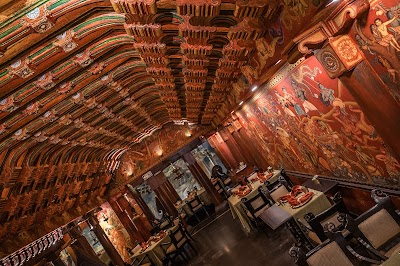
The Spice Route
The restaurant's interior is a hand-carved temple-like masterpiece that took seven years to complete.
Signature: Chemeen Thoren (Kerala-style stir-fried prawns)
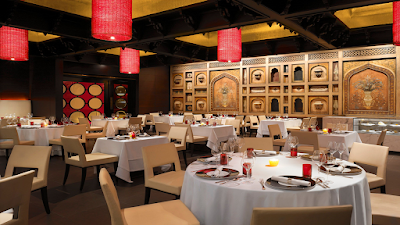
Varq
A sophisticated space at the Taj Mahal Hotel that treats Indian street food and classics as edible modern art.
Signature: Varqi crab
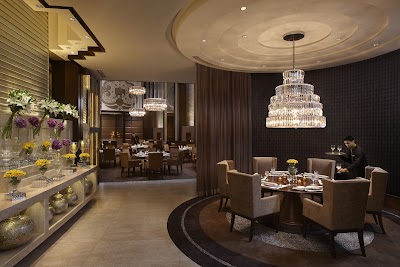
Jamavar
An opulent dining room at the Leela Palace serving royal recipes from both Northern and Southern India.
Signature: Raan-e-Jamavar (slow-roasted leg of mutton)
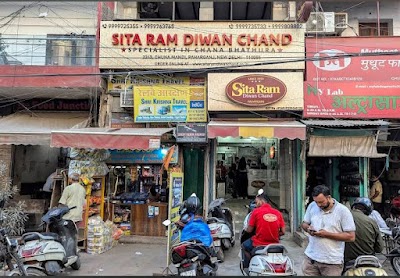
Sita Ram Diwan Chand
Widely acknowledged as serving the absolute best version of Delhi's favorite breakfast dish.
Signature: Chole bhature with pickled green chilies
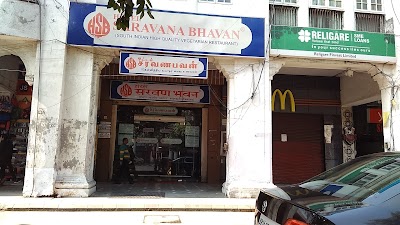
Saravana Bhavan
A bustling, highly efficient spot serving flawless, authentic South Indian vegetarian staples.
Signature: Ghee roast masala dosa

Andhra Pradesh Bhavan Canteen
A government-run canteen where locals queue for incredibly cheap, spicy, and unlimited South Indian meals.
Signature: Unlimited Andhra vegetarian thali
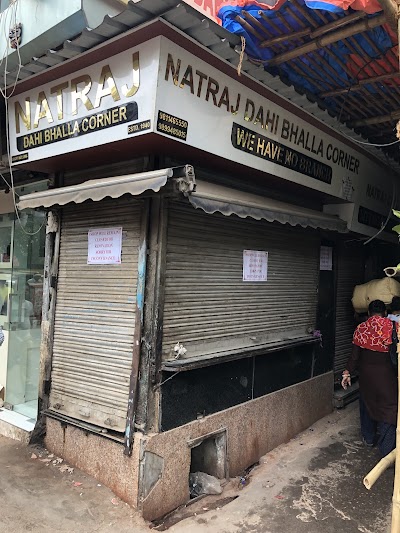
Natraj Dahi Bhalla Corner
Serving just two items since 1940, this tiny stand is a masterclass in sweet, sour, and spicy street snacks.
Signature: Dahi bhalla (lentil dumplings in spiced yogurt)
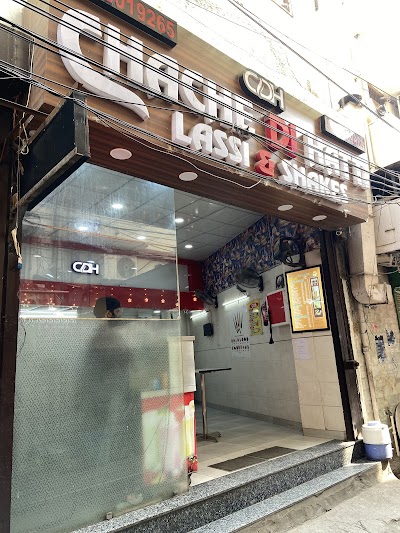
Chache Di Hatti
A legendary student hangout in the university area known for its fluffy, freshly fried bread.
Signature: Aloo-stuffed bhature
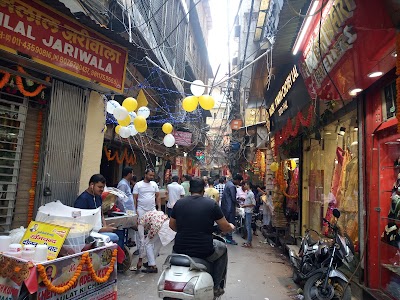
Paranthe Wali Gali
A historic, narrow lane lined with shops that deep-fry flatbreads stuffed with everything from potatoes to bananas.
Signature: Rabri (sweet condensed milk) parantha
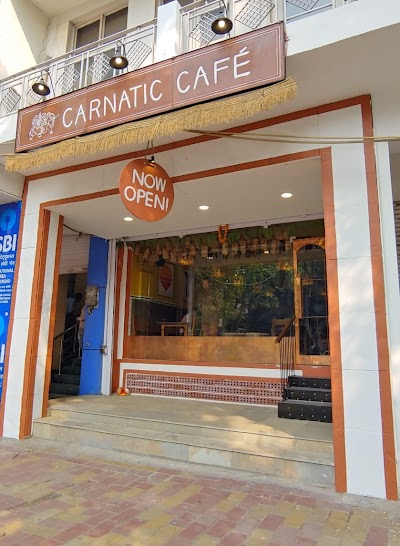
Carnatic Cafe
It serves exceptional, light, and crispy South Indian tiffins in a clean, modern setting.
Signature: Malleshwaram 18th Cross dosa
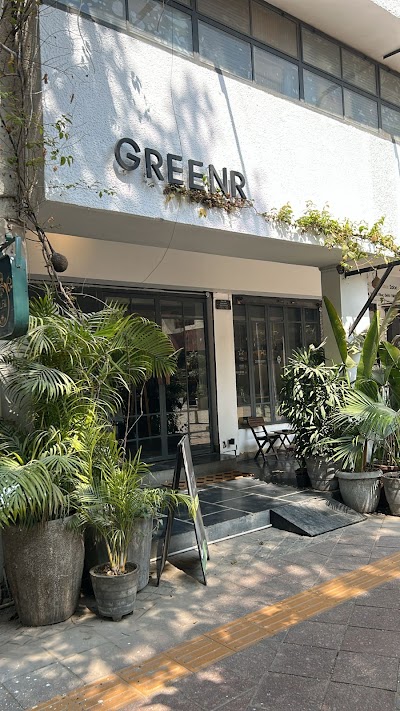
Greenr Cafe
A trendy, community-focused space offering a fully plant-based, eco-conscious global menu.
Signature: Jackfruit carnitas tacos
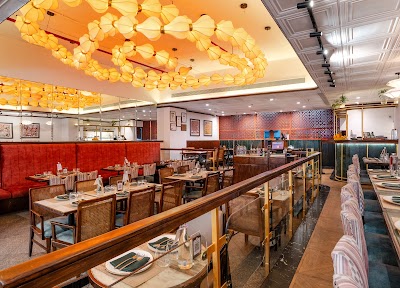
Sattvik
An upscale restaurant serving pure vegetarian North Indian cuisine inspired by Ayurvedic principles.
Signature: Sattvik moksha thali
After dark
Nightlife

Privee
A massive, opulent club inside the Shangri-La hotel known for its state-of-the-art sound system and VIP culture.
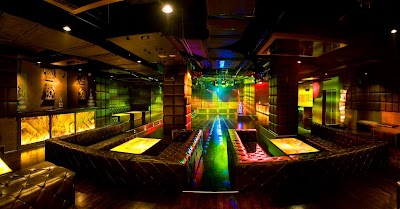
Kitty Su
An inclusive, avant-garde club inside The Lalit hotel that regularly hosts international DJs and drag performances.

Key Nightclub
A sleek, neon-lit venue inside Hotel Samrat popular with the city's young elite.
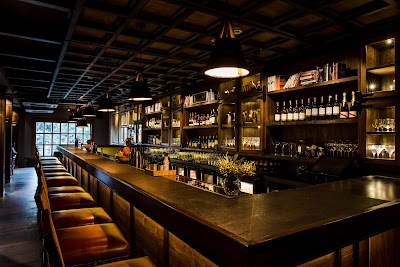
Sidecar
Widely regarded as India's best cocktail bar, featuring a multi-level space with an exceptional, narrative-driven menu.
PCO
A pioneer of the Delhi speakeasy scene, accessed via a secret passcode entered into a vintage phone booth.
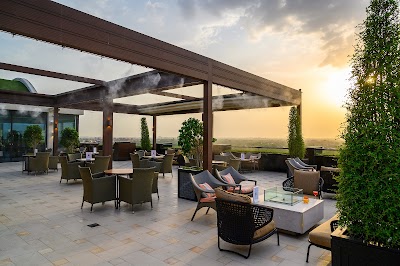
Cirrus 9
A stunning open-air rooftop bar atop The Oberoi hotel, offering unmatched views of the Delhi Golf Club canopy.

The Library Bar
An ultra-luxurious lounge at the Leela Palace with an exceptional selection of rare single malts and cigars.
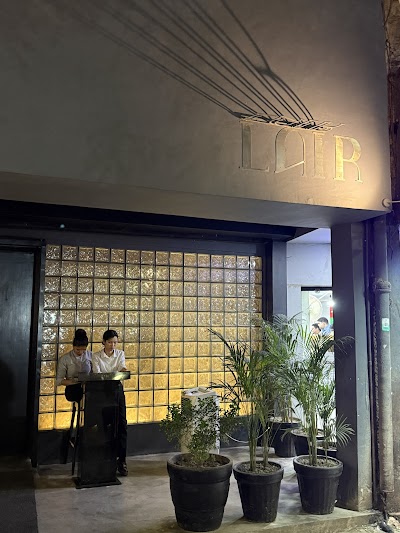
Lair
A moody, monochromatic cocktail bar that focuses on innovative, culinary-inspired mixology.
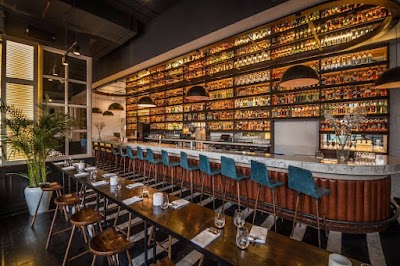
Whisky Samba
A massive, high-ceilinged bar boasting one of the largest whisky collections in the country.
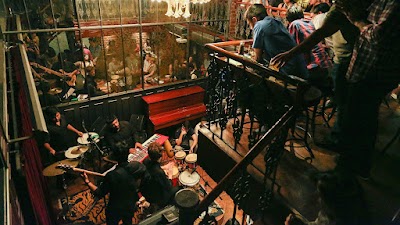
The Piano Man Jazz Club
A legendary, multi-level venue with a strict 'silent during performance' policy that respects the artists.
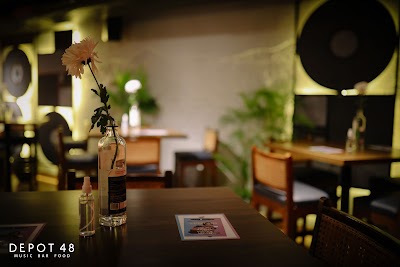
Depot48
An intimate venue known for its excellent acoustics, hosting indie bands, singer-songwriters, and acoustic sets.
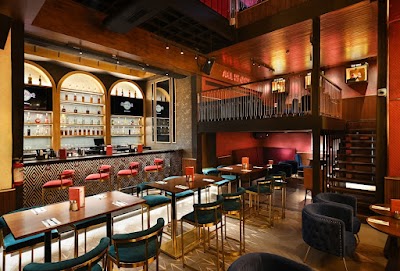
Hard Rock Cafe
A spacious, reliable venue for classic rock tribute acts and touring indie-rock bands.
Art & history
Culture
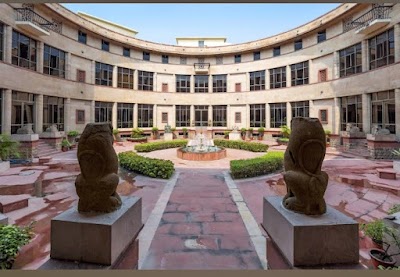
National Museum
It holds an unparalleled collection of Indian history spanning over 5,000 years, including Harappan relics and Chola bronzes.
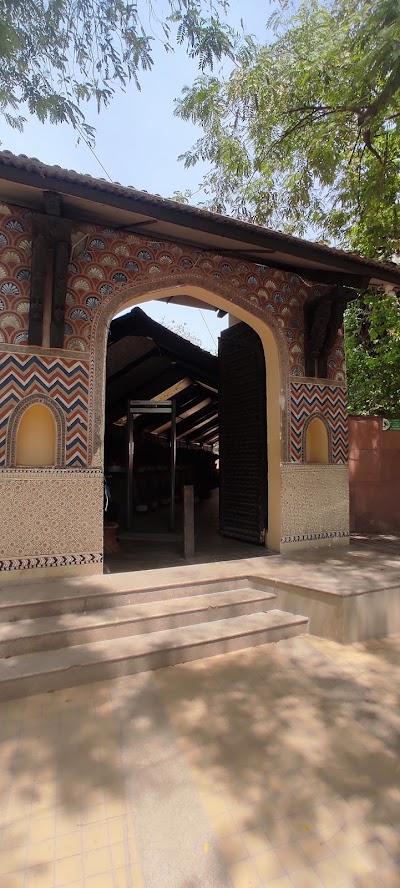
National Crafts Museum
An open-air museum designed like an Indian village, showcasing traditional crafts, textiles, and live demonstrations by artisans.
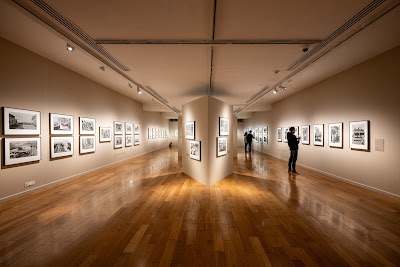
Kiran Nadar Museum of Art (KNMA)
India's premier private museum for modern and contemporary art, hosting world-class rotating exhibitions.
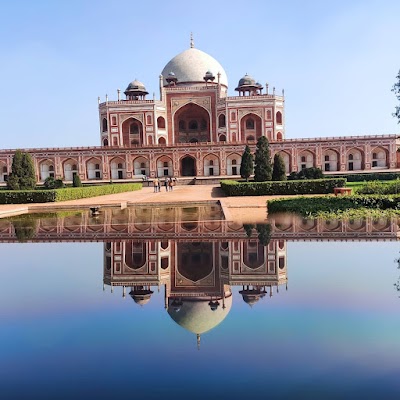
Humayun's Tomb
A magnificent 16th-century garden tomb that served as the architectural inspiration for the Taj Mahal.
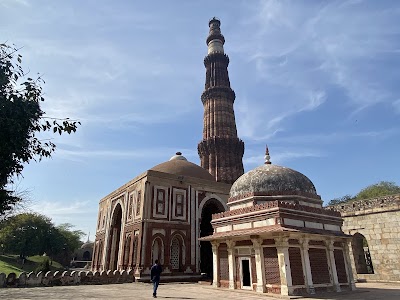
Qutub Minar
A soaring, 73-meter brick minaret built in 1193, surrounded by ancient ruins and an rust-resistant iron pillar from the 4th century.
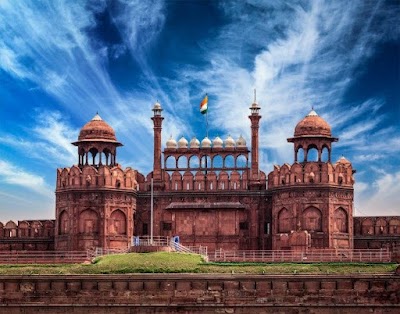
Red Fort (Lal Qila)
The massive red sandstone fortress that served as the seat of the Mughal Empire for nearly 200 years.
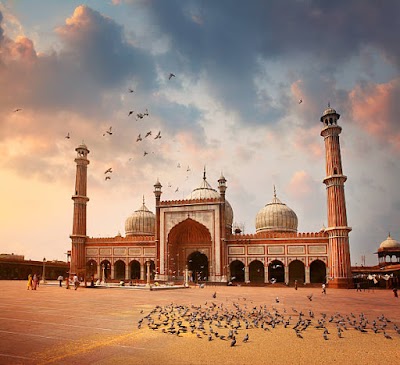
Jama Masjid
One of the largest mosques in India, built by Shah Jahan, offering panoramic views of Old Delhi from its southern minaret.
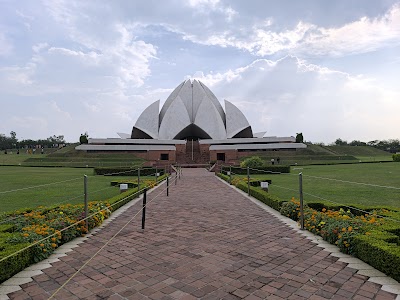
Lotus Temple
A striking Bahá'í House of Worship shaped like a blooming lotus flower, open to people of all faiths for silent meditation.
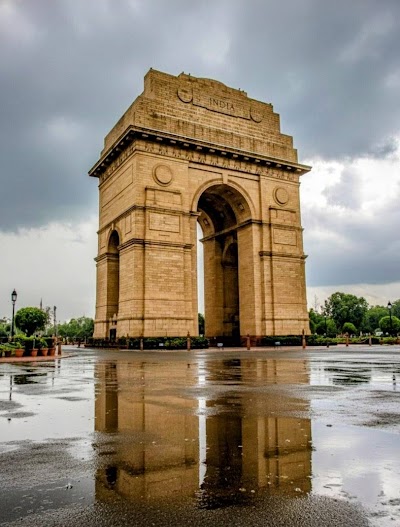
India Gate
A grand triumphal arch war memorial designed by Edwin Lutyens, honoring soldiers who died in World War I.

National Gallery of Modern Art (NGMA)
Housed in a former royal palace, it features an incredible collection of modern Indian art, including works by Amrita Sher-Gil and Rabindranath Tagore.
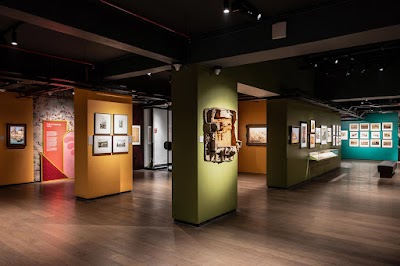
Delhi Art Gallery (DAG)
A premier private gallery showcasing highly curated exhibitions of 20th-century Indian masters.

Nature Morte
A leading contemporary gallery that champions experimental, conceptual, and multi-disciplinary Indian artists.
Timing
When to visit
Winter (October to March)
Crisp weather perfect for walking through ruins and gardens. November and December can bring heavy agricultural and industrial smog, which disrupts flights and reduces visibility.
Summer (April to June)
Extremely dry and punishingly hot. Outdoor sightseeing is virtually impossible during midday, though luxury hotels offer significant room discounts.
Monsoon (July to September)
Heavy downpours bring relief from the heat but frequently cause severe waterlogging and traffic gridlock across the city.
What it costs
Budgeting
Logistics
Getting around
From the airport
The Delhi Metro Airport Express (Orange Line) is the cleanest, fastest, and most efficient way to reach the city center, connecting Indira Gandhi International Airport to New Delhi Railway Station in under twenty minutes. Alternatively, pre-booked app-based rides like Uber and Ola operate from designated zones outside the terminals, offering a reliable way to avoid airport taxi scams.
Public transit
The Delhi Metro is world-class, air-conditioned, and highly efficient. It is the only reliable way to bypass the city's notorious traffic jams. Trains can become intensely crowded during rush hours, but every train features a dedicated women's carriage at the front.
Passes & tickets
The Tourist Smart Card is available at all metro station customer care counters, offering unlimited travel for one or three days for a very low flat rate falling squarely in the lowest price band.
On foot
Delhi is generally not a walkable city due to broken pavements, aggressive traffic, and vast distances between districts. However, specific pockets like Lodhi Gardens, Connaught Place, and the narrow lanes of Old Delhi are best explored on foot.
Local etiquette
Safety & etiquette
- Dress modestly by covering your shoulders and knees, especially when visiting religious sites.
- Always remove your shoes before entering temples, mosques, or local homes.
- Use your right hand for eating, passing money, or greeting people; the left hand is traditionally considered unclean.
- Polite but firm negotiation is expected in informal markets, but avoid aggressive haggling.
Travel smart
Practical tips
- Buy a Metro Smart Card at the airport station to skip the long ticket queues at every station.
- Carry small cash bills (100 and 200 rupee notes) as many street vendors and auto-rickshaws do not accept international cards.
- Download offline Google Maps; GPS can be highly unreliable in the narrow, high-walled alleys of Old Delhi.
- Check the Air Quality Index (AQI) before booking if you plan to travel between November and January.
- Book monument entry tickets online through the official Archaeological Survey of India website to skip massive ticket window lines.
- Never accept unsolicited travel advice or hotel recommendations from strangers near train stations or Connaught Place.
Before you go
Delhi FAQs
Is it safe for solo female travelers?
Yes, but it requires vigilance and planning. Stick to busy public areas, use the dedicated women's metro coaches, avoid transit late at night, and stay in reputable neighborhoods like South Delhi or Chanakyapuri.
How do I avoid getting sick ('Delhi Belly')?
Drink only bottled or filtered water, avoid ice, eat at busy stalls where food is cooked fresh in front of you, and give your stomach a day or two to adjust before diving into heavy street food.
What is the best way to beat the traffic?
The Delhi Metro is the fastest, cleanest, and most reliable way to travel across the city, completely bypassing the gridlocked roads.
Do I need to tip in restaurants?
Tipping is appreciated but not mandatory. Many upscale restaurants add a 10% service charge to the bill; if they do, no additional tip is required.
How do I handle aggressive street vendors?
Avoid eye contact, say a firm 'Nahi' (No in Hindi), and keep walking without hesitation.